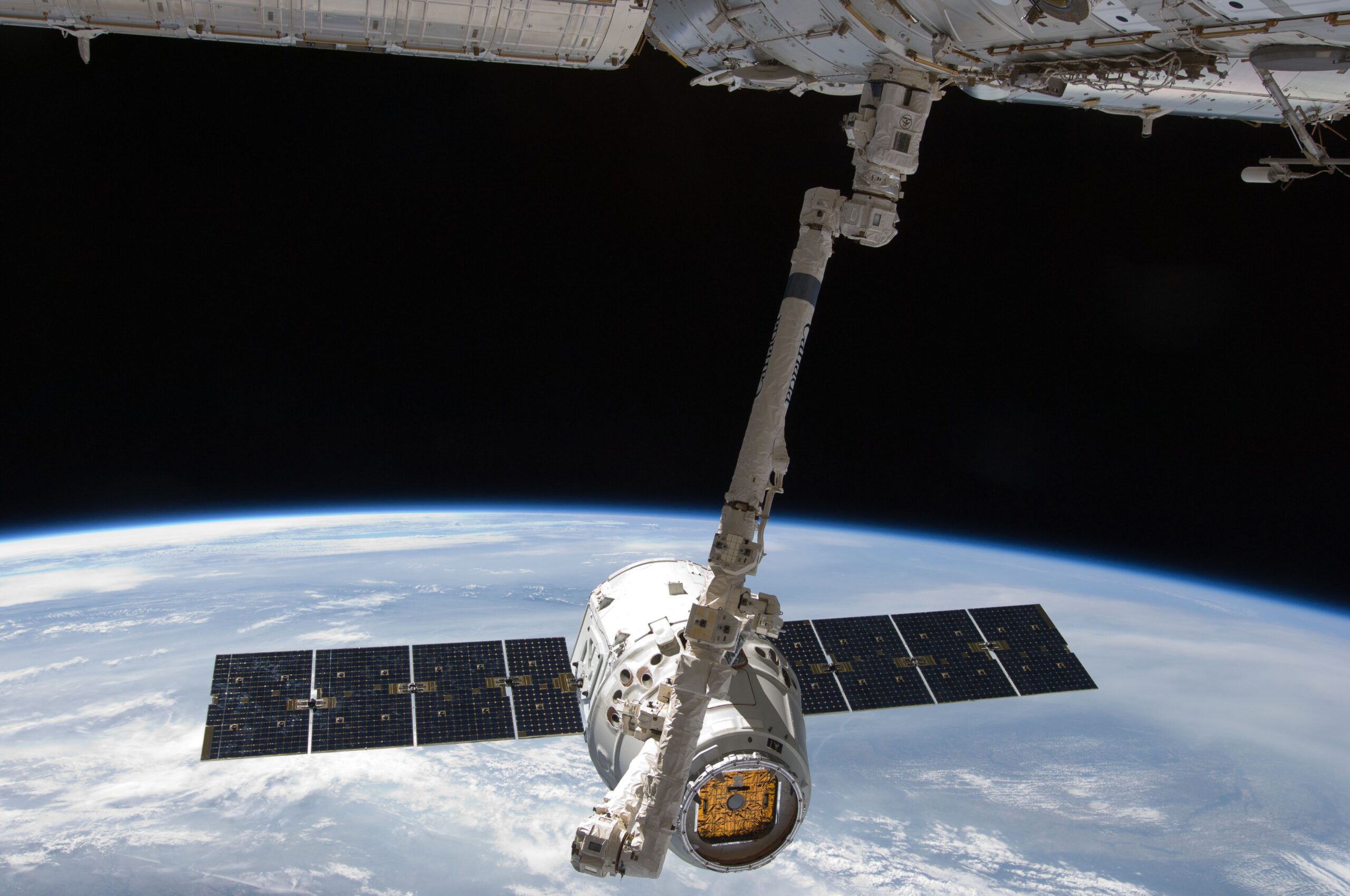
We’re watching what looks like a straightforward maintenance EVA become a useful stress test for long-term ISS logistics. On June 30, two NASA astronauts will go outside to replace a wrist joint on Canadarm2 after engineers detected elevated motor current during routine ops.
The task itself is limited and specific – swap the faulty joint using a spare already on station – but advisers to NASA are using the moment to press a broader point: the station’s spare parts and spacesuits need steady attention as the program ages toward its planned 2030 retirement.
What the June 30 spacewalk will actually do
Astronauts Jessica Meir and Chris Williams are scheduled to perform the EVA to remove and replace a malfunctioning wrist joint on Canadarm2. NASA says the operation is expected to take about six and a half hours and that the spare joint is already aboard the station. Engineers flagged the joint after a recent routine operation showed higher-than-expected motor current, which prompted the decision to replace the component.
Why advisers are sounding the alarm
The Aerospace Safety Advisory Panel, an independent committee that monitors NASA safety, has been vocal about several aging-system risks on station. Susan Helms, the panel chair and a former astronaut, told the panel on June 22 that managing critical spares and resupply items has become a real challenge for an aging vehicle. She warned that declining budgets could make it harder to maintain adequate contingency margins for day-to-day operations.
Helms said the margin to manage risk has been “reduced to alarming levels,” while also praising station managers for what she called an outstanding job of managing those risks so far. That mix of respect and warning is the tone we should expect as ISS moves into its final years.
Spacesuits are part of the worry — but NASA sees a plan
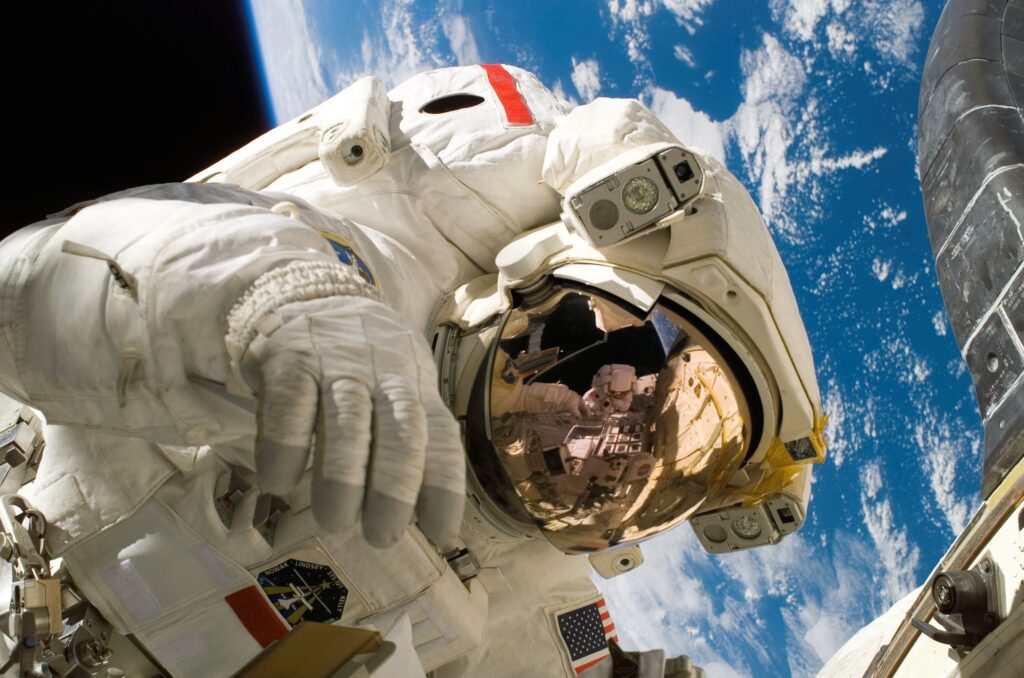
The panel singled out Extravehicular Mobility Units, or EMUs, as an area of concern because of aging hardware and supply-chain challenges that affect parts availability. The panel noted there are four operational suits currently on the station.
At the June 25 spacewalk briefing, NASA’s ISS operations and integration manager Bill Spetch pushed back on an alarmed reading of the suit situation. He said, “We have four great suits on board right now,” and noted a fifth suit is scheduled to arrive this fall. Spetch added that teams are working closely on suit maintenance and that there are extensive spares for station systems including Canadarm2.
The air leak in Zvezda’s PrK module remains an unresolved risk
ASAP also discussed a June 5 incident when NASA directed crew to shelter in the docked Crew Dragon while Russian cosmonauts prepared to attempt repairs to an air leak in the PrK section of the Zvezda service module. The proposed repairs were not performed; NASA judged the planned repairs posed an elevated risk to the module’s structure and deemed its actions appropriate.
Helms called the PrK leaks “one of the most significant safety risks” for the station. NASA has said little publicly about the current state of the leaks beyond describing the affected compartment as at a stable pressure. Spetch said teams intentionally reduced the module’s pressure and are coordinating with Roscosmos on next steps.
What else is coming: a short schedule of near-term EVAs
This Canadarm2 EVA is the first of several planned spacewalks in the months ahead. NASA outlined three additional EVAs starting as soon as August. Their planned tasks include:
- Installing components for a new solar array
- Fixing electrical jumpers
- Replacing a communications antenna
Quick comparison: systems under the microscope
| System | Problem | Immediate action | What NASA says |
|---|---|---|---|
| Canadarm2 wrist joint | Elevated motor current during ops | Replace joint using spare already on station (June 30 EVA) | Spetch: arm is critical and has extensive spares; maintenance planned through end of life |
| EMU spacesuits | Aging hardware; parts supply concerns | Ongoing life-extension plan; one more suit due to arrive this fall | Helms: supply chain has exacerbated risk. Spetch: four operational suits now |
| Zvezda PrK module | Recurring air leaks | Monitoring and coordination with Roscosmos; pressure management | Helms: leaks are among the most significant safety risks; NASA reduced pressure on purpose |
Why this matters as the ISS approaches retirement
We all know the ISS has a planned retirement date in 2030, and that timeline changes the calculus here. Older systems need more hands-on maintenance and more spares. At the same time, a winding-down program typically faces pressure to trim operations budgets and shift resources elsewhere. That tension is exactly what the advisory panel highlighted: station managers are keeping things running now, but margins are shrinking.
Put plainly, routine maintenance that used to be a scheduled, predictable job is increasingly also an exercise in inventory management and contingency planning. Replacing a robotic arm joint is normal. Doing it while also juggling suit readiness and persistent leaks makes the overall picture more fragile.
What to watch next
- How the June 30 EVA goes. A clean replacement will keep Canadarm2 functional for upcoming operations and test the station’s spare-part logistics.
- Delivery of the fifth EMU this fall. That arrival will be a clear data point on whether NASA can sustain suit availability for planned EVAs.
- Follow-up on the PrK leak. Any public updates on leak rate, repair options, or structural assessments will matter for crew safety planning.
- Budget signals from NASA leadership. If funding for operations ramps down faster than planned, it will change how managers balance maintenance and research tasks.
Our read
We should treat this June 30 spacewalk as more than a parts swap. It’s a short, clear example of how an aging complex needs steady supply, appropriate margins and careful coordination with international partners. NASA managers say they have the spares and suits they need for the near term. The advisory panel is telling us to keep an eye on the medium-term picture because margins are getting tight.
Tell us what you think. Are these growing pains we can manage, or do we need a sharper plan for keeping essential systems healthy as the station winds down? We’ll be watching the EVA and the follow-up updates with everyone else.