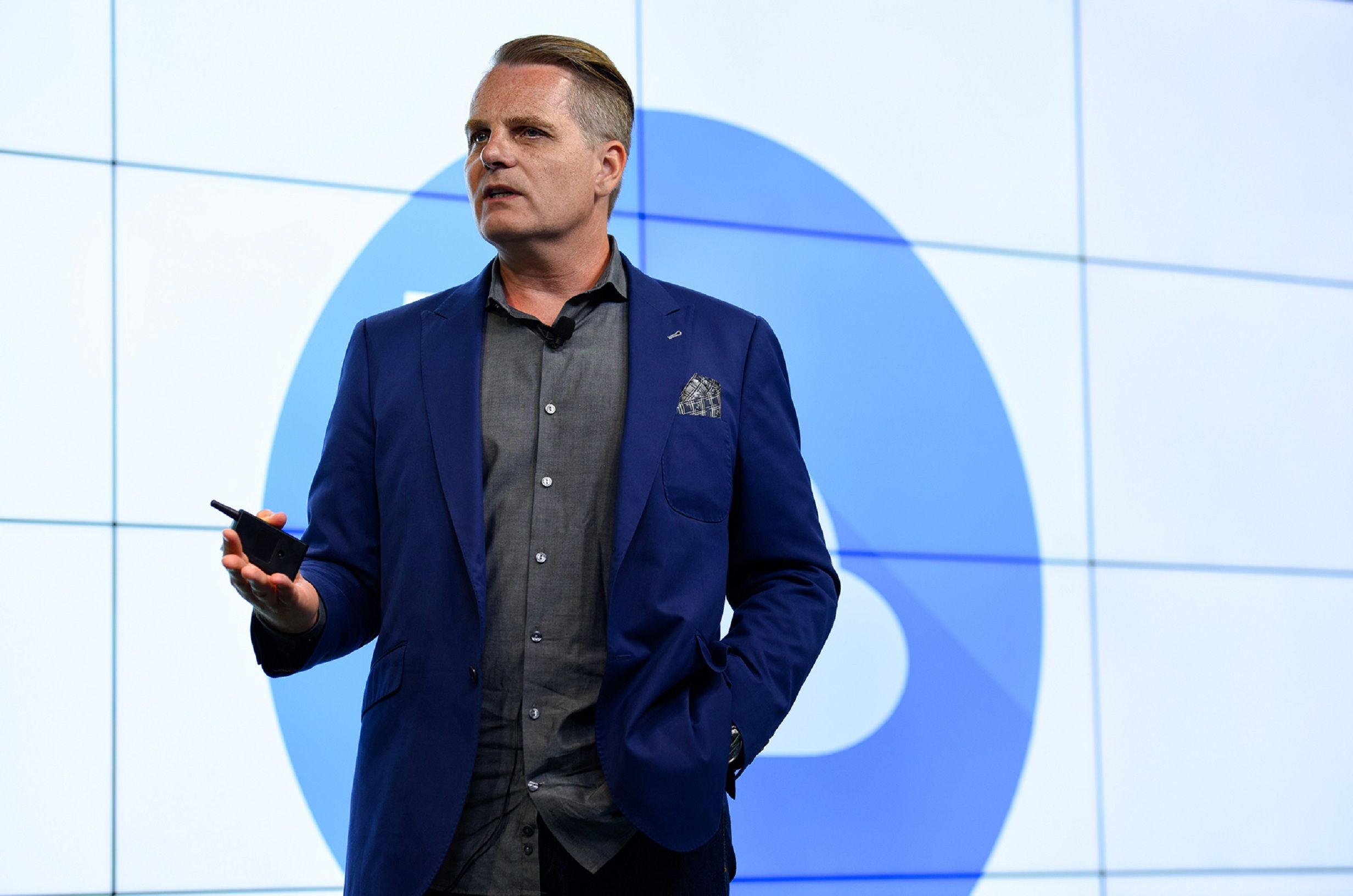
Google has put a date on its next big hardware reveal. The company is holding its Pixel launch event on August 12 in New York City, setting the stage for the debut of the Pixel 11 family just weeks from now.
For Android fans, that matters for more than one reason. Google’s late-summer Pixel events usually shape the tone of the fall phone season, and this year’s showcase is expected to cover not just the standard flagship refresh but also the foldable and smartwatch side of the lineup.
The biggest questions now shift from when to what, how much, and how soon. A date is locked in, but the details that matter most to buyers, like pricing, storage tiers, colors, and release timing, are still hanging over this launch.
What Google is expected to announce
The August 12 event is widely expected to introduce four phones: the Pixel 11, Pixel 11 Pro, Pixel 11 Pro XL, and Pixel 11 Pro Fold. Google is also expected to unveil the Pixel Watch 5.
That would give Google a familiar spread across the premium Android market. The base Pixel serves as the entry point, the Pro models target buyers who want the top camera and display experience, and the foldable continues Google’s push into a category that still feels early but increasingly important for high-end Android brands.
If that lineup holds, Google would once again be treating its Pixel event as more than a single-phone launch. It becomes a broader ecosystem play, with phones and wearables arriving together as a package, alongside services that keep getting tighter ties to Android, including Google Wallet’s touchless ID push and broader mobile features across Google apps.
The August timing makes sense…
An August Pixel launch no longer feels unusual. Google has settled into a rhythm where it reveals new flagship Pixel hardware before Apple’s usual September iPhone event, giving Android buyers a clear look at Google’s latest phones before the broader fall rush begins.
That timing also gives Google a cleaner runway for preorders, early reviews, and retail rollout before the holiday shopping season starts to crowd the calendar. In practical terms, it helps Pixel avoid getting buried under a wall of competing device announcements.
For shoppers, it means the waiting game is almost over. Anyone holding off on a summer phone purchase to see what Google does next now has a concrete date to watch.
The price question is hanging over this event
Now that the launch date is confirmed, pricing becomes the next major point of attention. Recent leaks tied to storage options and pricing have raised the possibility that comparable Pixel 11 configurations could cost about $100 more than their predecessors.
That has not been confirmed by Google, so it should still be treated as expectation rather than fact. But it fits the broader pressure buyers have been seeing across consumer tech, where higher component costs and premium positioning keep nudging flagship prices upward.
If those increases stick, Google will need to make a strong case for value, especially because Pixel buyers tend to pay close attention to camera improvements, AI features, display upgrades, and software perks when deciding whether a new model is worth the jump.
For gamers and power users, price sensitivity can be even sharper. A flagship phone is not just a communication device anymore. It is also a handheld screen for cloud gaming, mobile esports titles, emulation, streaming, and media capture. Once prices climb, buyers start comparing every spec and every feature against rivals much more aggressively.
Why gamers and tech enthusiasts should care
Pixel launches are not gaming events in the traditional sense, but they still matter to the gaming audience. Phones like the Pixel 11 line are part of a wider competition over mobile performance, thermal management, display quality, battery life, and on-device AI.
Those things affect real use cases beyond benchmark charts:
- Display quality: Better brightness and refresh rates help with touch-heavy games and outdoor visibility.
- Battery life: Long sessions in games, streaming apps, or remote play can drain a phone fast.
- Thermals: Sustained performance matters more than peak performance when games run for 20 minutes instead of 2.
- Foldable design: A larger inner screen changes how strategy games, multitasking, and media viewing feel on a handheld device.
- Wearable tie-ins: A new Pixel Watch can deepen Google’s ecosystem play for notifications, fitness tracking, and companion features.
Google is not trying to outmuscle dedicated gaming phones on branding alone, but every generation of Pixel hardware still feeds into the larger Android hardware race. If the company improves heat control, battery efficiency, and display behavior, that can matter as much to everyday players as flashy headline specs. The broader Android experience matters too, especially as Google keeps adjusting things like Google Play billing options and storefront incentives such as the recent 10-cent Android games sale.
The mystery of that copper-toned invite
One small detail around the event is already stirring speculation: the copper-like color shown in the invite imagery.
That shade stands out because recent leaks have not clearly pointed to a matching bronze or gold finish for the Pixel 11 models. It could simply be visual styling for the invitation. It could also hint at a colorway Google has not yet revealed.
Color speculation might sound minor next to pricing and release dates, but it is often part of how phone launches build momentum. Distinct finishes can become a major part of a device’s identity, especially for a brand like Pixel that often leans on design language as a selling point.
If Google really is preparing a new metallic or copper-adjacent finish, that could end up being one of the simpler but more effective differentiators in the lineup.
What to watch between now and August 12
With the event now official, the next month will likely be filled with the usual pre-launch drip feed of rumors, retailer slips, and accessory clues. The main topics worth watching are pretty clear:
- Final pricing across the Pixel 11 range
- Storage tiers for each model
- Whether all models launch at the same time
- Any delay specific to the Pixel 11 Pro Fold
- New colors, including the invite’s copper-like tone
- What the Pixel Watch 5 changes from the current generation
Google’s hardware events also tend to mix practical upgrades with a few software-heavy talking points, so there is a good chance the company spends time on AI features and camera tools in addition to the devices themselves. Privacy is likely to stay part of that pitch as well, especially after Google’s zero-trust private analytics approach for Android user data signaled where the company wants its software story to go next. The real test will be whether those additions feel useful enough to justify any price increase.