
X is making another push to turn scrolling into posting. The platform has added a built-in video editor and recorder to its iOS app, a move aimed at getting more users to create original clips inside X instead of recycling videos from elsewhere. The timing lines up with a broader creator race across social apps, where native tools often decide whether a platform gets the first upload or just the repost.
The new tool arrives with features that are familiar to anyone who has spent time on TikTok, Instagram Reels, or YouTube Shorts. X says iPhone users can now add overlay captions in multiple languages, change how those captions look, and use a green screen effect with either posts on X or photos from the camera roll. Those are standard creator basics in 2026, but they matter because people expect to shoot, edit, caption, and publish from the same screen now.
For creators, this is less about one new editing menu and more about the direction X keeps signaling. Video has become one of the platform’s main priorities, and the company is clearly trying to build a creator workflow that starts and ends inside its own app. That matters even more as platforms keep trying to hold user attention inside their own ecosystems, not unlike the broader push to keep more workflows native that has shown up in other tech categories, from enterprise AI rollouts to platform safety tools such as remote access tool scams spreading through messaging apps.
X’s new iPhone video tools, at a glance
The iOS update adds both recording and editing functions directly into the X app. Based on the rollout details shared by the company, the most notable features include:
- Overlay captions in multiple languages
- Caption style customization
- Green screen support
- The ability to use X posts as backgrounds
- The ability to use photos from the iPhone camera roll as backgrounds
X product chief Nikita Bier said more updates to the editor are planned in the coming weeks, which suggests this is an early version of a broader video creation push rather than a one-off feature drop. In practice, that usually means the first release covers the essentials, then the platform watches which tools creators actually touch before expanding templates, effects, trimming options, or monetization hooks.
Why X is doing this now
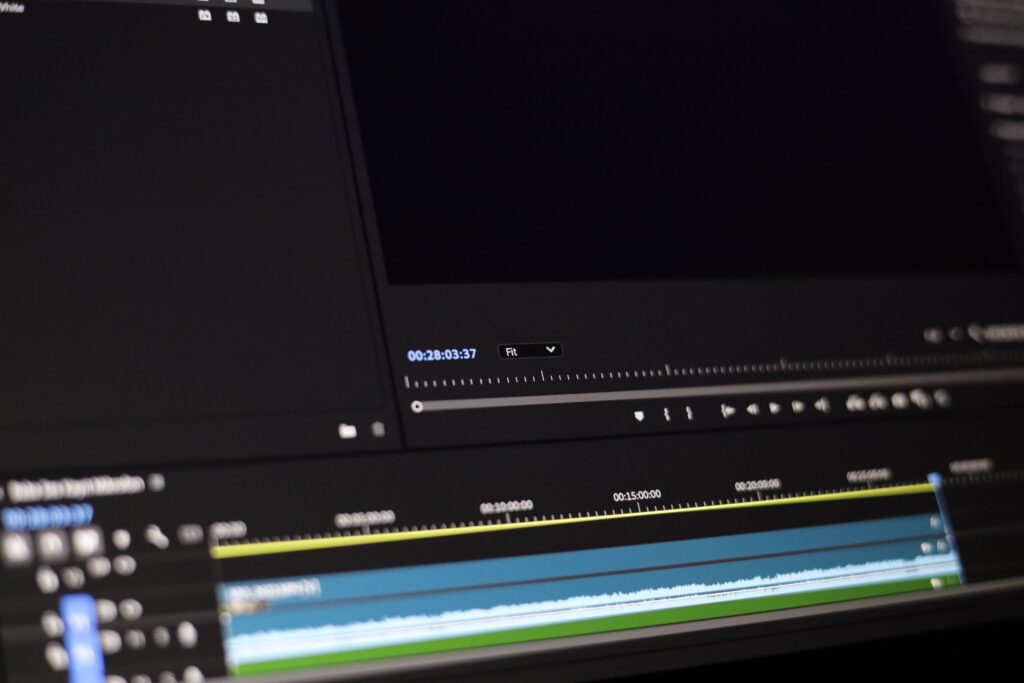
This update fits neatly into a larger strategy. X wants more original video on the platform, and it has been increasingly open about that goal.
Back in April, Bier said the platform reduces the visibility of reposts and content pulled from other platforms. He also encouraged users to record original videos with their own voice-over. That matters because it frames X’s recommendation system not just as a distribution tool, but as a lever the company can use to reward native content and bury recycled posts. For creators who rely on reach, that kind of ranking pressure can change behavior fast.
Adding an editor inside the app lowers the friction. If users can record, caption, and layer backgrounds without leaving X, there’s one less reason to create on TikTok first and repost later. That convenience has been a huge part of how short-form video apps train creator behavior. It also gives X more control over how video is formatted, surfaced, and measured once it’s uploaded.
It’s also a signal to smaller creators who do not use desktop editing software or more advanced mobile apps. Built-in tools tend to matter most to casual posters and rising creators, the people platforms are always trying to convert into regular uploaders. Those are the users who can keep a feed feeling active between bigger publisher clips, livestreams, and premium creator content.
X is chasing video momentum from several angles
The new editor did not arrive in isolation. Over the past few months, X has been stacking video-related changes that point in the same direction.
Last month, the platform added a video reaction feature. It has also set aside $1 million in payouts for live video streamers. Put together, those moves show a company trying to strengthen both sides of the creator equation: tools for making content, and incentives for spending more time making it on X. That same playbook has shown up across tech, where companies pair product updates with long-term ecosystem bets, similar to how firms are building specialized AI systems such as new sustainability AI agents to keep users inside their own stack.
That approach mirrors what nearly every major social platform has learned over the last several years. Creator tools alone are not enough. Money, reach, and ease of use all have to line up. If a platform wants original uploads, it has to make native creation feel worth the effort. If even one part is weak, creators usually go back to posting where the audience and workflow already feel reliable.
What the new features actually mean for creators
Overlay captions may sound like a small addition, but they’re one of the most practical editing tools a short-form creator can have. Captions help videos work without sound, improve accessibility, and make clips more usable across languages. On mobile-first platforms, that can directly affect how long people stick with a post. Short-form publishers have spent years treating captions as table stakes because silent autoplay remains one of the most common ways people first encounter a clip.
The green screen feature matters for a different reason. It opens the door for reaction videos, commentary, news explainers, and creator takes built around screenshots, posts, or photos. Since X specifically allows posts to be used as backgrounds, the company is leaning into one of its strongest habits as a platform: talking about other posts. That sounds simple, but it fits X’s culture better than flashy effects ever could.
In other words, X is building tools that fit the kind of content its users already make. Instead of trying to invent a totally new video language, it is giving creators a faster way to produce commentary-driven clips inside the app itself. That’s a smart fit for a platform where fast reaction often matters more than polished editing.
The TikTok comparison is obvious, even if X has a different audience
X is not hiding the fact that it wants to compete more directly with video-heavy platforms. The design logic behind built-in captions, lightweight editing, and background effects comes straight from the mobile creator playbook that TikTok helped define.
Still, X is working with a different culture. TikTok is built around discovery-first entertainment. X remains centered on conversation, real-time reactions, and personality-driven posting. That means its video push may end up feeling less like dance trends or polished skits, and more like instant commentary, news responses, meme riffs, and livestream clips. That’s probably the lane where these tools have the best shot at sticking.
That distinction matters. X does not need to become TikTok in order for these tools to matter. It just needs to make video posting native enough that creators stop treating the platform as a place to dump links and reposted clips. If X can make the app good enough for quick talking-head videos, reaction posts, and visual explainers, that’s already a meaningful shift.
There’s also a data incentive behind the video push
Another piece of this strategy sits behind the scenes. More original public video on X gives the platform more material for Grok, which trains on public content posted to X.
That does not change how creators will use the editor day to day, but it helps explain why the company is so focused on getting users to make new material instead of reposting content from outside platforms. Original content is more valuable than repeated content for recommendation systems, platform engagement, and AI training alike. For a company building consumer AI and trying to grow video at the same time, those incentives stack neatly.
For X, those goals overlap. The same upload can keep people in the app longer, give creators a reason to post more often, and add to the pool of public content the company can learn from. That’s useful for recommendations, useful for ad inventory, and useful for future product tuning.
What about Android?
The new editor is launching on iOS first. Android does not have the feature yet, at least based on the current rollout. X is also in the middle of rebuilding its Android app, which makes the timing more understandable.
There is no confirmed Android launch date in the rollout details that have been shared so far. Still, given how central video has become to X’s product roadmap, it would be surprising if the editor remained iPhone-only for long. A creator feature like this loses a lot of momentum if half the mobile audience hears about it but can’t use it.
That said, mobile platform gaps can matter. If X wants creators to form habits around native editing tools, it cannot leave a chunk of its audience waiting too long, especially when rival apps already offer similar features across devices. Android delays also tend to create uneven creator communities, where tutorials, workflows, and feature adoption skew toward one platform.
What we hope for next…
The most interesting part of this update is not the current feature list. It is what comes after.
If X follows through on near-term updates, the next wave of changes could tell us whether this is a simple catch-up move or the start of a bigger creator product stack. The platform has already touched several key areas:
- Native video creation
- Video-based reactions
- Livestream incentives
- Reduced visibility for reposted content
The missing piece is whether creators actually see stronger reach or better monetization when they use these tools. That is where platform promises usually meet reality. If posts made with the new editor start outperforming reposted clips in obvious ways, creators will notice quickly. If the tools feel basic and the distribution stays flat, adoption could stall just as fast.
For now, the built-in iPhone editor is a clear sign that X wants more than passive video consumption. It wants users making clips in-app, posting them natively, and giving the platform something fresh to surface. If that sounds familiar, it should. Every social platform wants original video. X is just getting more aggressive about building for it inside its own walls.