NASA’s retirement plan for the ISS is drawing new scrutiny
The International Space Station is headed for an eventual controlled deorbit, but the method now under discussion is prompting a fresh round of criticism. The concern is not about whether the station has to come down. It does. The question is what happens when a structure the size of a football field is guided toward a remote part of the ocean, and whether the environmental cost has been properly weighed.
That debate has sharpened after a recent government watchdog report and a public warning from an ocean conservation group. The group argues that the plan to send the station toward the South Pacific raises serious concerns for ocean health, especially because the final debris field will land in waters that are difficult to monitor and even harder to clean up.
How NASA says the station will come down
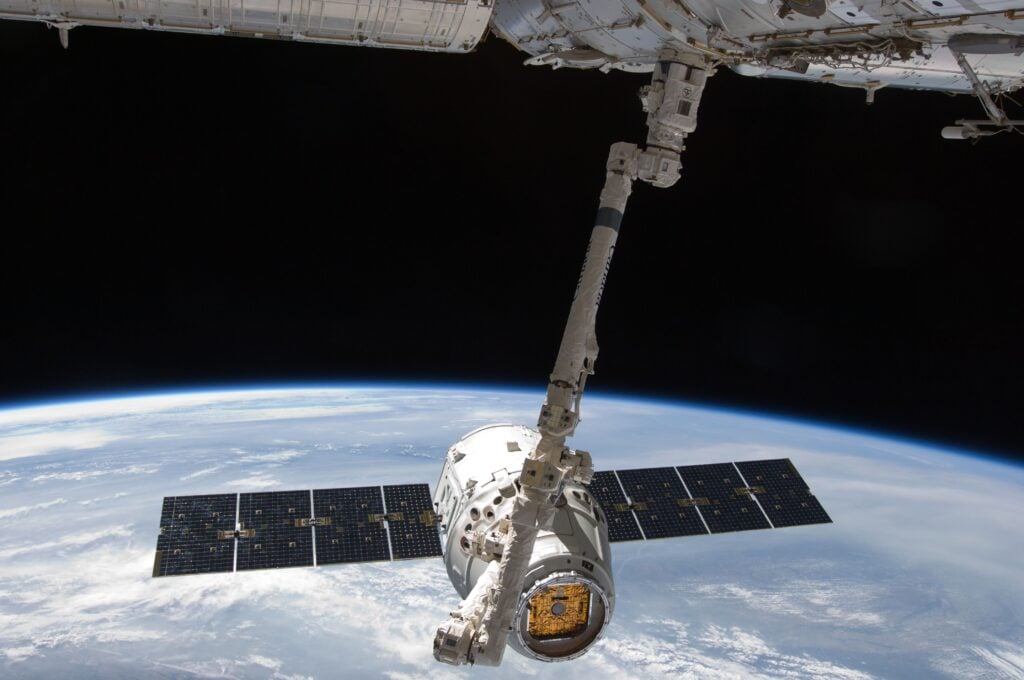
The broad outline of the deorbit plan is straightforward. In the early to mid-2028 window, the station would begin a gradual descent, helped by natural atmospheric drag and reentry maneuvers from the Russian segment. Then, in mid-2029, NASA plans to launch a U.S. Deorbit Vehicle supplied by SpaceX and attach it to the ISS.
That craft is designed to do the heavy lifting at the end of the station’s life. Using 46 Draco thrusters, it would guide the ISS into a controlled reentry, with the final burn expected at the end of 2030 or in early 2031. The intended target is Point Nemo, a remote ocean zone in the South Pacific that is far from land and widely used as a destination for discarded spacecraft.
| Deorbit stage | Expected timing | What happens |
|---|---|---|
| Initial lowering | Early to mid-2028 | Atmospheric drag and Russian segment maneuvers begin bringing the station down |
| Deorbit vehicle launch | Mid-2029 | SpaceX-supplied U.S. Deorbit Vehicle is attached to the ISS |
| Final reentry burn | End of 2030 or early 2031 | The ISS is pushed into a controlled descent toward Point Nemo |
Why ocean advocates are pushing back
The biggest objection is not the idea of a controlled reentry itself. It is the assumption that the ocean can absorb the impact without meaningful consequences. The conservation group’s view is that the plan has not adequately addressed what survives reentry, where it lands, and how much damage that material could do to seafloor ecosystems.
Its president argues that there is a legal gap in the way international rules treat debris that is intentionally sent into the ocean. Under current space law, compensation is required if debris hits another country’s territory or damages property. But there is no equivalent system that clearly holds a spacefaring nation accountable for cleanup or environmental remediation when the target is the high seas.
That difference matters here because Point Nemo is not empty. It may be remote, but it is still part of the marine environment. The objection is that remoteness should not be treated as a license to use the area as a disposal zone.
What makes this case different from ordinary reentries
Most spacecraft reentries are small compared with the ISS. This one is different because the station is massive, highly complex, and built from many separate systems. Not everything will burn up in the atmosphere. Denser components are expected to survive long enough to reach the seafloor.
That creates two layers of uncertainty. First, no one outside the program can fully see which materials are expected to survive. Second, the environmental effects of those materials on marine life have not been clearly spelled out in the public discussion. For critics, that uncertainty is the problem, especially when the object involved is the largest reentry event of its kind.
There is also concern about what happens before the debris even reaches the water. A reentry this large sends material through the atmosphere in a way that could have cumulative effects, and those effects have not been studied in enough detail for critics’ comfort.
Why Point Nemo keeps showing up in spaceflight debates
Point Nemo is the farthest point from land on Earth, which makes it attractive for controlled spacecraft disposal. It is also often described as the world’s largest spacecraft cemetery. That is useful from a safety standpoint because it lowers the odds of debris hitting people or populated areas.
But safety for people is only part of the equation. The current criticism is that the same logic has not been applied to the sea itself. The ocean is not a blank zone, and the absence of nearby cities does not mean the absence of ecological value.
That tension is what gives the issue weight. Space agencies need a way to dispose of large orbital hardware safely. Environmental groups want stronger proof that the method chosen will not quietly shift the burden onto marine ecosystems.
What the conservation group wants before the station comes down
The organization’s position is not a simple no. It is asking for more information and a fuller accounting before the deorbit plan moves forward. The specific asks are fairly direct:
- A complete environmental impact assessment covering both the expected seafloor debris field and atmospheric effects
- Public disclosure of the materials most likely to survive reentry and reach the ocean floor
- A formal legal review of obligations under UNCLOS, the 1996 London Protocol, and the newer BBNJ Agreement
That last point matters because the BBNJ Agreement is designed to address activities in areas beyond national jurisdiction where the environmental effects are uncertain. The argument is that a deorbit of this scale, aimed at the high seas, should trigger the same level of scrutiny as other potentially harmful activities in international waters.
Why this story matters beyond space policy
The ISS deorbit plan is more than a technical end-of-life procedure for one spacecraft. It is a test case for how governments handle the environmental side of orbital cleanup. Human activity in low Earth orbit is growing, commercial stations are being planned, and older hardware will eventually need safe disposal. That means the rules around deorbiting are becoming more important, not less.
For players and fans of space history, the ISS has been one of the defining projects of the modern era. Its retirement is inevitable. What is not settled is whether the final chapter will set a strong precedent for environmental responsibility or expose a gap in the way space law treats the ocean.
The station’s planned fall to Earth is still years away, which gives policymakers time to ask harder questions. Critics clearly think those questions need to be answered before the burn starts, not after the debris is already in the water.