We’ve seen plenty of auto industry restructurings before, but this one would land on a different scale. Volkswagen is reportedly preparing to cut 100,000 jobs, about 15 percent of its global workforce, while shutting down production at several German plants over the coming years.
If that plan moves ahead, it would amount to the largest overhaul in the company’s 89-year history. It would also sharpen a conflict that was already brewing over electric vehicle demand, tariffs, Chinese competition, and a labor agreement that was supposed to prevent deeper cuts until 2030.
For all of us watching Europe’s car industry try to balance electrification with slower demand, this looks like one of those moments where the math and the politics crash into each other hard.
What Volkswagen is reportedly planning
The reported plan calls for 100,000 job cuts at German plants over the next several years. That figure is far above Volkswagen’s earlier plan for 50,000 cuts.
Production would also reportedly stop at four sites:
- Hanover
- Zwickau
- Emden
- Audi Neckarsulm
That combination matters because this is not just a headcount story. It points to a broader manufacturing reset, including facilities tied to the company’s electric vehicle strategy.
Volkswagen has not confirmed the full details. A company spokesperson said the entire group, including its brands and subsidiaries, must undergo profound changes, while declining to discuss details from internal and confidential documents.
Why the Zwickau plant stands out
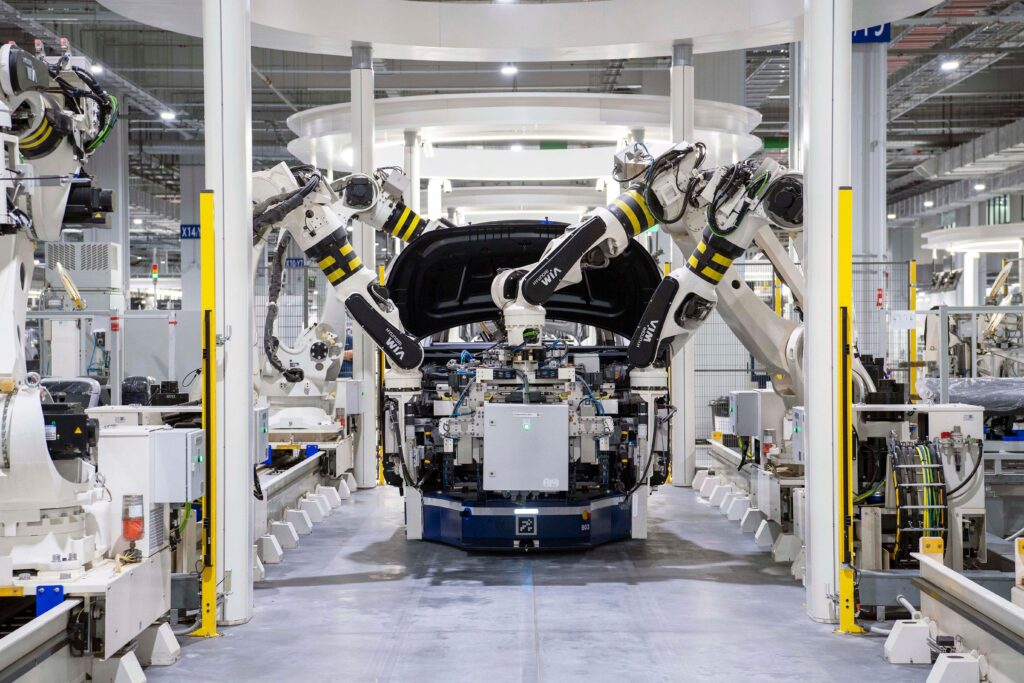
Zwickau is the site that jumps off the page here. The plant in Saxony was converted for electric vehicle production and has been building six EV models across the Volkswagen, Audi, and Cupra brands.
That makes the reported production halt there especially notable. We’re not talking about an old line being wound down because a legacy model ran out of road. We’re talking about a facility that was already repositioned for the EV era.
Zwickau has also faced repeated production pauses tied to weak EV demand. That detail helps explain why this reported restructuring is so significant. Europe’s biggest EV producer is not just trimming around the edges. It appears to be reassessing how much EV capacity it can actually support in the current market.
How this compares with Volkswagen’s earlier plans
Volkswagen had already outlined 50,000 job cuts before this latest reported move. At the time, the company pointed to pressure from US tariffs introduced under President Donald Trump and to Chinese car sales.
Late in 2024, unions agreed to those layoffs under a deal that came with an important condition: Volkswagen would not cut additional jobs or close more plants until at least 2030.
That is why this new report carries so much weight. If Volkswagen follows through, it would represent a major escalation beyond the earlier agreement.
| Issue | Earlier plan | Reported new plan |
|---|---|---|
| Job cuts | 50,000 | 100,000 |
| Labor agreement context | Accepted by unions in late 2024 | Would go beyond that agreement |
| Plant closures or production stops | No further cuts or closures until at least 2030 under the deal | Production reportedly to cease at Hanover, Zwickau, Emden, and Audi Neckarsulm |
Why the company may be pushing for deeper changes
Even from the limited details available, we can see the basic forces pressing on Volkswagen.
- Soft EV demand: Production pauses at Zwickau point to a demand problem that is already affecting factory output.
- Trade pressure: Volkswagen previously cited tariffs tied to the US market.
- Competition from China: Chinese automakers have become a much bigger factor in EV pricing and volume pressure.
- Cost structure: A cut this large suggests Volkswagen believes its current manufacturing footprint is too expensive for current and expected demand.
None of that makes the decision simple. Carmakers can spend years shifting plants, platforms, and supply chains toward EVs, only to run into a market that grows less smoothly than expected. We’ve watched that story play out across the industry. The problem for Volkswagen is that it has now reached a scale where incremental savings may no longer look enough to management.
Labor groups are preparing for a fight
Volkswagen’s unions and worker representatives have already made their position clear. IG Metall and the General Works Council said they would fight the reported layoffs and plant closures with all their might.
That reaction was predictable, but no less important for that. In Germany, labor is not a side character in an industrial restructuring. Works councils and unions can shape outcomes in a very real way, especially at a company as politically and economically important as Volkswagen.
We should be careful here not to assume the reported plan automatically becomes the final plan. A proposal of this size can trigger prolonged negotiations, public pressure, and possible revisions before anything is fully settled.
What this could mean for Volkswagen’s EV strategy
There’s an uncomfortable tension in this story. Volkswagen is Europe’s leading electric vehicle producer, yet one of the most striking reported production halts would hit a plant built around EV output.
That does not necessarily mean Volkswagen is walking away from EVs. It may mean the company wants fewer production sites, lower fixed costs, or a different allocation of models across its network. But it does tell us something important: being a leader in EV production does not shield a carmaker from overcapacity, price pressure, or uneven consumer demand.
That is the part a lot of us in the broader tech and transport world keep running into. The transition to electric cars was always going to be industrially messy. Battery supply, charging rollout, incentives, trade policy, and consumer affordability all move at different speeds. Carmakers have to make billion-euro bets before the market fully settles, and sometimes those bets stop looking tidy in a hurry.
The plants named in the reported plan
Here’s a quick view of the sites reportedly affected:
| Plant | Reported change | Why it matters |
|---|---|---|
| Hanover | Production reportedly to cease | Part of a broad reduction in German manufacturing footprint |
| Zwickau | Production reportedly to cease | Converted for EV production across VW, Audi, and Cupra models |
| Emden | Production reportedly to cease | Signals deeper restructuring beyond a single site |
| Audi Neckarsulm | Production reportedly to cease | Extends the impact to Audi operations as well |
What to watch next
For now, a few questions matter more than anything else.
- Will Volkswagen formally confirm the full scale of the cuts? Right now, the company is acknowledging the need for major changes without validating the detailed plan.
- How hard will unions push back? The late-2024 agreement gives labor groups a concrete basis for challenging deeper reductions.
- Will plant shutdowns remain part of the final strategy? Job cuts are one thing, but named factory closures tend to turn labor and political pressure up very quickly.
- What happens to EV production allocation? If Zwickau is scaled back or halted, Volkswagen will need to show how its EV manufacturing strategy changes with it.
We’re still in the early stage of this story, and there’s plenty we do not know yet. But even at this point, the outline is clear enough: Volkswagen appears to be preparing for a much harsher restructuring than workers were led to expect, and that sets up one of the biggest industrial fights in Europe’s auto sector in years.
For the rest of us, it’s another reminder that the EV transition was never just about building new cars. It was always going to be about which plants survive, which jobs move, and how much pain companies, workers, and governments are willing to absorb while the market sorts itself out.