
If you are looking for the top 5 rocket launches in the US in 2026 to travel for, the best trips are the ones with a strong launch vehicle, a proven launch site, and a launch window that gives you time to adjust. In practice, that puts Cape Canaveral Space Force Station, Kennedy Space Center, Vandenberg Space Force Base, and Wallops Flight Facility at the top of your planning list.
As of July 2, 2026, the smartest launch-travel picks are still mission windows, not fixed vacation dates. Schedules move. Weather moves. Payload readiness moves. Range availability moves. Plan around the place and the viewing setup first, then verify the exact liftoff time close to departure.
Quick answer: the five launches to watch
If you want the short version, these are the five US launches that stand out for travel in 2026 because of mission profile, launch site access, or sheer public interest:
- ULA Atlas V 551 carrying Amazon Leo satellites from Cape Canaveral Space Force Station
- SpaceX Falcon 9 carrying Northrop Grumman Cygnus XL to the ISS on NG-24 from the Cape Canaveral area
- SpaceX Falcon 9 rideshare launches from Vandenberg Space Force Base
- A United Launch Alliance Atlas V mission at Cape Canaveral that still offers a strong public viewing window
- A Wallops Flight Facility suborbital launch in Virginia for a smaller, easier launch-day trip
That mix gives you two Florida heavyweights, one West Coast option, and one East Coast wildcard that is easier to see than most people expect.
1. ULA Atlas V 551, Amazon Leo from Cape Canaveral Space Force Station
This is the launch that most clearly fits a dedicated trip. The Atlas V 551 configuration uses a 5-meter payload fairing, five solid rocket boosters, and a single-engine Centaur upper stage, which gives it a bright, forceful liftoff profile that is easy to appreciate from public viewing areas. The mission is tied to Amazon Leo, the low Earth orbit broadband satellite program long associated with the Project Kuiper name. The payload is commercially important, the rocket is a recognizable ULA vehicle, and Cape Canaveral gives travelers multiple viewing choices.
For launch tourists, Cape Canaveral is hard to beat because you can build a full long weekend around it. You get beachside viewing, causeway access when available, and a cluster of space attractions around the Space Coast. If you are packaging the trip, bring a compact day bag and a pair of binoculars or a small spotting scope so you can follow the ascent after the vehicle clears the pad. A launch day also gets easier if you already have a comfortable travel backpack and a lightweight pair of binoculars for rocket launches ready to go.

Taygeer Travel Laptop Backpack for Men, Airplane Approved Travel Backpack | 15.6inch Laptop Backpacks with Water Bottle Pocket, Lightweight College 35l Luggage Bookbag Gifts for Business Work, Black
The practical upside of this launch is simple. Even if the exact time shifts, Cape Canaveral and nearby Cocoa Beach keep your trip useful. You are not traveling for one isolated moment, you are traveling for a launch corridor that still rewards a three-day stay. Atlas V is also late in its operational life as ULA transitions more work to Vulcan, so a 551 mission has extra appeal for travelers who want to see the vehicle while it is still flying.
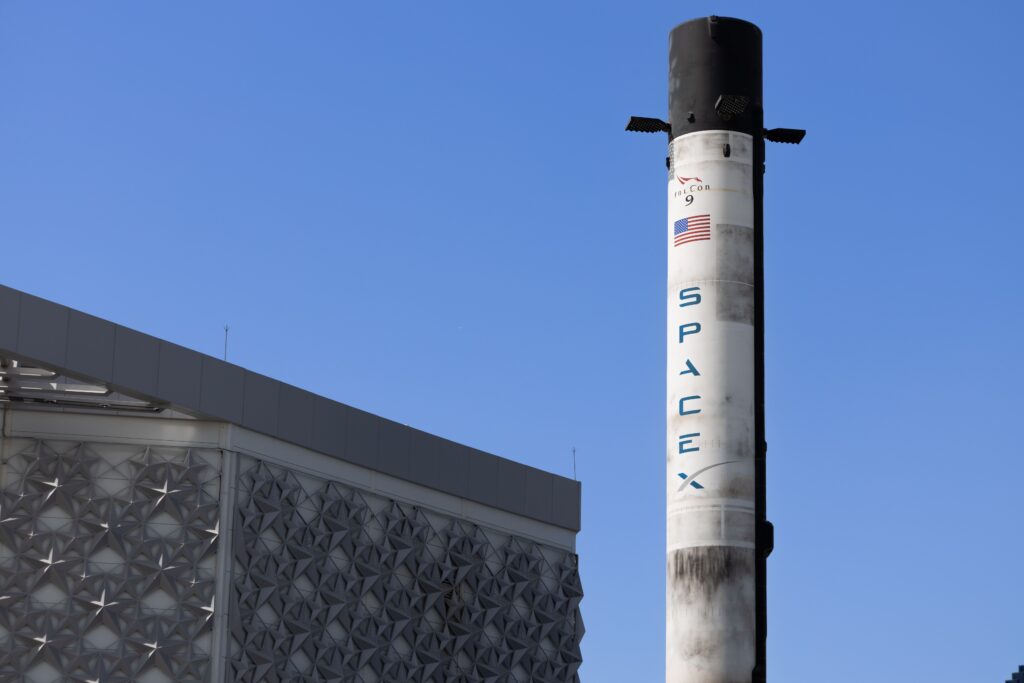
2. SpaceX Falcon 9 on NG-24 with Northrop Grumman Cygnus XL
The NG-24 mission is a classic public-interest launch because it sends cargo to the International Space Station. SpaceX’s Falcon 9 has become familiar to launch watchers, but the mission still delivers the kind of real-world spaceflight story that makes a trip feel worthwhile. Cygnus XL is the larger version of Northrop Grumman’s cargo spacecraft, and the manifest can include supplies, scientific investigations, station hardware, commercial products, and crew support material, which gives the launch a purpose beyond the spectacle.
For travelers, the appeal here is reliability of interest rather than novelty of hardware. Falcon 9 launches remain among the easiest to build into a Space Coast itinerary because the launch cadence creates more than one viewing chance over a travel window. If NG-24 slips, you still have a decent shot at another vehicle on the coast during a similar period. That flexibility matters when you are booking flights and hotels around a launch window that can move by hours or days. If you want more context on how space missions are becoming part of a wider commercial roadmap, TomorrowWire’s look at why the Moon is no longer just a destination is useful background for the business side of launch demand.
If you are planning to watch from a public area, bring sunscreen, a refillable water bottle, and a portable charger. Long pad holds are common, and you want your phone available for tracking the official countdown rather than draining it while you wait.
3. SpaceX Falcon 9 rideshare launch from Vandenberg Space Force Base
Vandenberg gives launch travel a very different feel from Florida. Instead of a beach-heavy Space Coast trip, you get a California launch experience that often rewards wide open sightlines and a cooler coastal climate. SpaceX rideshare missions from Vandenberg are especially attractive for travelers because they tend to bundle multiple satellites into a single launch, which adds scale even when the individual payloads are not household names.
The real reason to travel for a Vandenberg launch is the setting. You are seeing a rocket rise from one of the most visually striking launch regions in the United States, often on trajectories that head south over the Pacific for polar or sun-synchronous orbits. If you want the best chance of a clean viewing experience, give yourself extra time for road access and site selection. Vandenberg launches can be more logistically limited than Cape Canaveral launches, so the trip works best for people who enjoy planning around the geography as much as the rocket.
Pack layers. Coastal conditions can be much cooler and windier than you expect, especially for sunset or evening liftoff windows. A compact tripod for your camera can also help if you want sharper long-exposure photos without carrying a full photo kit.
4. A ULA Atlas V mission from Cape Canaveral with strong public viewing potential
Not every launch needs a headline payload to be worth the trip. Another Atlas V mission from Cape Canaveral belongs on this list because ULA launches still combine a dependable rocket, a major Florida spaceport, and a viewing environment that works for first-time visitors and repeat launch fans alike. If you are traveling with family or friends who are not deep into spaceflight, Atlas V is an easy mission type to explain and a good way to make the day feel special.
Cape Canaveral is also the most forgiving launch destination on this list if your schedule is flexible. You can turn a launch attempt into a coast trip, a NASA attraction visit, or a Space Coast weekend even if liftoff slips. That matters in 2026, because launch schedules remain dynamic and a single date should never be your only plan. The Florida trip also pairs naturally with deeper human-spaceflight context, including TomorrowWire’s coverage of why the Artemis 3 mission matters beyond the crew announcement.
If your main goal is comfort, not just the rocket, keep your kit simple. A foldable camp chair, a small cooler, and printed backup directions can save you time if cellular coverage gets crowded near a launch site.
5. A Wallops Flight Facility suborbital launch in Virginia
Wallops is the sleeper pick on this list. It is not as famous as Cape Canaveral or Vandenberg, but that is part of the appeal. A suborbital launch from NASA’s Wallops Flight Facility can be a cleaner, quieter launch trip for travelers who want something real without the crowds and long-distance planning that a Florida or California mission can require.
The launch window referenced for Wallops in late June and early July 2026 shows why this site is attractive. Even a smaller launch can create a focused travel weekend, especially if you are already on the Mid-Atlantic coast. The benefit is proximity. The tradeoff is that suborbital launches are often more limited in scope than orbital missions, so you travel for the experience and the location rather than for a giant payload story.
Wallops also works well for people who want to combine a launch with a broader Virginia or Chesapeake Bay trip. You can make the day feel full without trying to squeeze in the intensity of a major spaceport itinerary.
How to choose the right launch trip
The best launch trip is not always the biggest rocket. It depends on what you want from the day.
- Choose Cape Canaveral if you want the easiest mix of launch viewing, tourist infrastructure, and backup activities.
- Choose Vandenberg if you want a more dramatic West Coast setting and do not mind tighter logistics.
- Choose Wallops if you want a smaller, less crowded launch experience.
- Choose cargo or rideshare missions if you care more about flight activity and launch frequency than a single celebrity payload.
For most travelers, the launch site matters as much as the rocket. A good launch in a bad viewing setup feels disappointing. A modest mission with a strong viewing window can feel unforgettable. The same logic applies globally: launch cadence can create excitement, but rapid activity also brings uncertainty, as seen in TomorrowWire’s coverage of how China kept launching rockets for 3 days before Kuaizhou-11 went quiet.
What to verify before you book
Rocket launches change often enough that you should never lock in a trip around one unconfirmed time. Before you book, check the official mission page, the launch provider’s latest schedule, and the spaceport access rules for public viewing. For NASA launch facilities, the NASA launches and events page is the cleanest starting point. For ULA mission details, use the United Launch Alliance mission launch page. For SpaceX, the official SpaceX launches page is the best public reference point.
If you want a broader planning view, launch schedule trackers such as Spaceflight Now’s launch schedule and NASA Wallops Flight Facility updates can help you compare windows before you make hotel or flight commitments. The most useful rule is simple: book the trip for the region, then treat the launch time as the final variable.
What to pack for a rocket launch trip
You do not need specialized gear, but a few items make the day much better. A launch trip is part travel, part waiting game, part weather management. Keep your kit light and practical.
- Comfortable shoes for long viewing periods
- Sunscreen and a hat for Florida or California daylight launches
- Binoculars for keeping track of the vehicle after liftoff
- Portable charger for countdown updates and photos
- Water and snacks if you plan to wait near the viewing area
If you want a more relaxed launch day, add a foldable chair and a small cooler. Those two items can turn a long hold into a comfortable outing instead of a stressful one. For phone-heavy travel days, a higher-capacity battery pack is also useful, and TomorrowWire’s guide to the top power banks for the price can help you pick one without overpacking.
The bottom line
The top 5 rocket launches in the US in 2026 to travel for are the ones that combine a meaningful mission, a strong launch site, and enough travel value to justify the trip even if the countdown moves. Cape Canaveral leads because it gives you the broadest mix of high-profile missions and visitor-friendly viewing. Vandenberg offers the best West Coast contrast. Wallops adds a smaller, easier launch weekend that still feels authentic.
If you are planning one launch trip in 2026, start with the mission window, then build the rest of the itinerary around the spaceport. That approach gives you the best chance of actually seeing liftoff and the best odds of turning a launch into a trip worth taking.