
Spain is moving to make sure the phone signal does not disappear the moment the lights go out. Under a royal decree expected to be approved by the end of 2026, mobile network operators and infrastructure companies would have to install batteries or other backup systems to keep service running for at least four hours during a blackout.
That is the core of the plan, but the details matter. The rules would apply only to businesses serving at least 500,000 users or bringing in more than €50 million in annual revenue, and the coverage requirement would ramp up over time instead of arriving all at once. That threshold deliberately targets the largest providers in Spain – think Telefónica (Movistar), Vodafone Spain, and Orange Spain – while leaving smaller local players out of the immediate scope.
What Spain is asking carriers to do
The decree sets a floor for network resilience during outages. If approved, companies in scope would need to maintain connectivity for four hours when power fails, which is a meaningful step for a country that has already lived through a major blackout that exposed cross-border fragilities in recent years.
This kind of requirement is easy to shrug off until we remember how quickly a blackout turns a normal day into a logistics problem. No signal means harder access to calls, messaging, transit updates, banking, and the basic stuff we only notice when it vanishes – and that cuts across the travel and vehicle systems we rely on for day-to-day movement and deliveries mobile travel and vehicle data. Users flooded social feeds in past outages with complaints about dropped calls, stalled payments, and confusing transit messages, and regulators are clearly trying to answer that frustration with a simple runtime target rather than a vague promise.
| Requirement | What Spain plans |
|---|---|
| Backup duration for mobile networks | At least 4 hours during a blackout |
| Who it applies to | Operators and infrastructure companies serving 500,000+ users or generating more than €50 million annually |
| Coverage target in year 1 | 50% of the population |
| Coverage target in year 2 | 65% of the population |
| Coverage target in year 3 | 75% of the population |
The rollout is staged, not instant
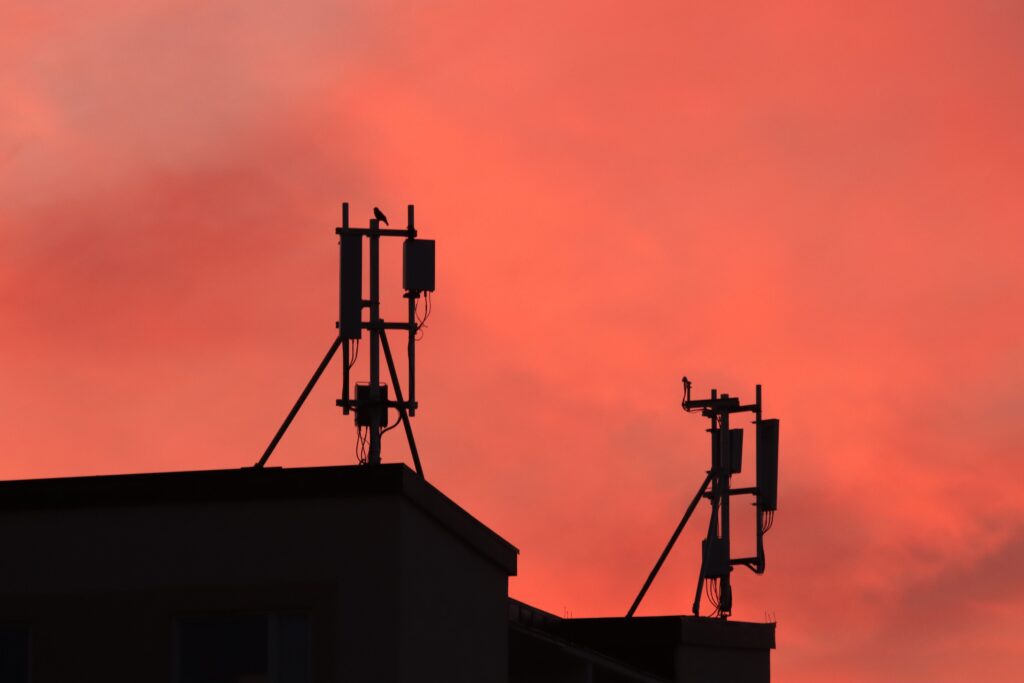
Spain is not asking everyone to flip the switch overnight. The decree would require the failsafe to cover half the population in the first year, then 65 percent in the second year, and 75 percent in the third year. That staged approach suggests the government is trying to balance resilience with the reality that backup power across large networks is expensive and complicated.
That also tells us something about how networks actually fail. It is not just one tower or one mast. It is power, routing, control, and the chain of systems behind the network that has to keep working long enough for people to stay connected. Practically speaking, many of Spain’s tens of thousands of base stations already pair on-site batteries with diesel generators to get through long outages; batteries alone at individual sites are commonly sized for roughly two to four hours of runtime, which is why a four-hour floor is actually meaningful rather than symbolic. There’s also a sustainability angle here – running generators at scale burns diesel and raises emissions, and operators are starting to look at smarter energy orchestration and demand-side controls as part of the solution new sustainability AI agents.
Critical infrastructure is getting its own clock
The decree goes beyond mobile networks. Control centers that could affect all of Spain if they went offline would need to stay in service for at least 24 hours after a power outage. Emergency call centers would also need plans to keep operating. That 24-hour requirement puts a clear operational burden on the central nodes that coordinate routing, signaling, and incident response, not just the radios on the hill.
That part may end up mattering as much as the mobile-network requirement. A four-hour backup for phone service is useful, but keeping the central systems and emergency response paths alive is what stops a blackout from becoming a much bigger mess. Spain’s national emergency number, 112, and the regional response centers will be the kinds of facilities regulators expect to see hardened under these rules.
Why this matters now
Spain is trying to reduce the damage from the kind of outage that ripples across borders and reveals just how dependent modern life is on steady power. The logic here is straightforward enough: if a blackout can knock out communication, then communication infrastructure needs its own independent cushion.
There is also a bigger technology question hovering over the whole move. Satellite connectivity that works directly with phones is still developing, and the decree itself may look less central if those systems become a normal part of mobile networks in the coming years. For now, though, Spain is betting on the backup batteries we can deploy today rather than the future systems we are still waiting to see scale cleanly. We should expect a few years of mixed approaches – on-site batteries, generators, microgrids, and targeted upgrades to critical control centers – rather than a single silver-bullet fix.
What to watch next
- Whether the royal decree is approved by the end of 2026.
- How quickly carriers and infrastructure companies can meet the 4-hour backup requirement.
- How the staged population coverage targets are enforced across year one, two, and three.
- Whether emergency and control-center requirements become the stricter part of the rules in practice.
For now, the message is pretty plain. Spain wants mobile networks to stay alive long enough for us to keep calling, messaging, and getting information when the power fails, and that is the sort of infrastructure rule that only sounds boring until we need it.