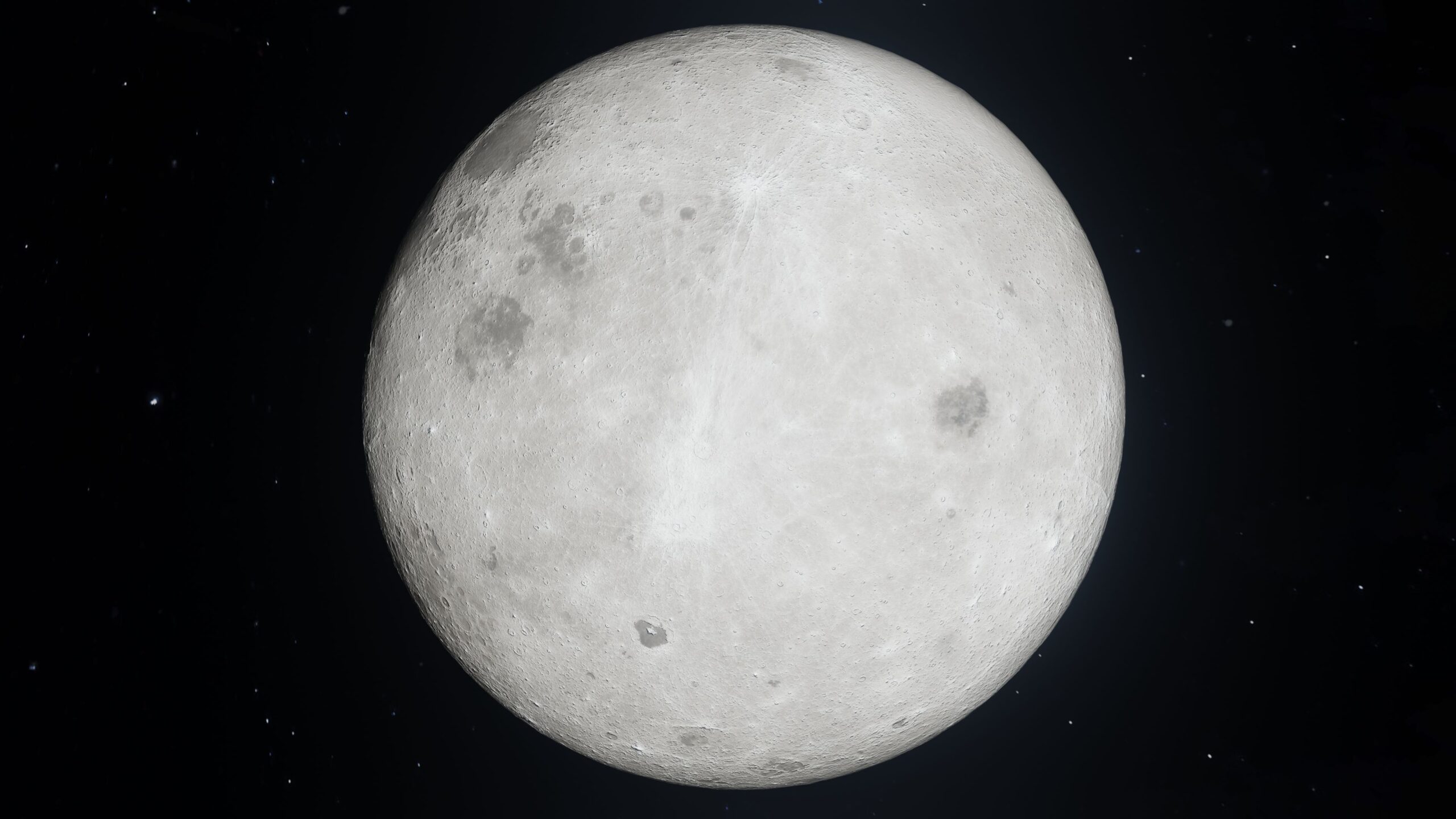
Okay, so a rocket stage is headed straight for the Moon. Should we grab our telescopes?
We won’t sugarcoat it: this is a weird, slightly awkward situation. A spent Falcon 9 upper stage from the flight that launched Firefly’s Blue Ghost-1 and the Hakuto-R Mission 2 in January 2025 is on a collision course with the Moon. Orbit analyses put the impact around Aug. 5, 2026, close to Einstein Crater near the lunar western limb, though projections still have minutes and tens of kilometers of uncertainty.
Where the prediction comes from and why it still wiggles
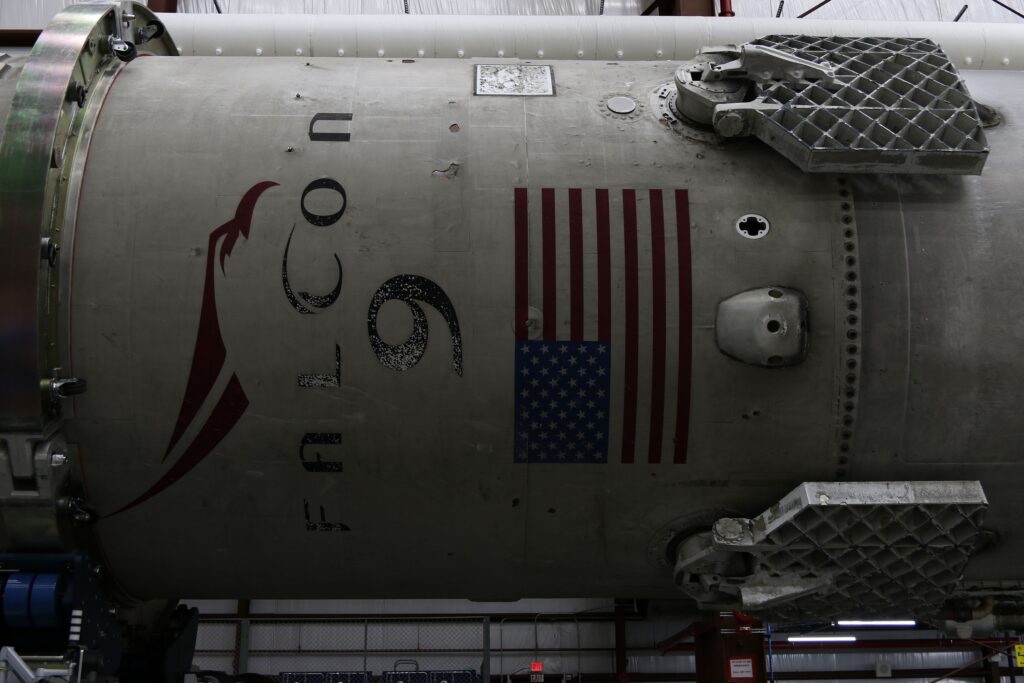
The impact forecast traces back to ongoing orbit computation and tracking work. Bill Gray of Project Pluto, who maintains widely used tracking tools, is one of the people who flagged the intersection. Gray notes that the object has been tracked since launch, but the exact time and place of impact are still fuzzy by minutes and dozens of kilometers. That uncertainty matters because a few minutes’ difference can change whether the event is over the visible limb or hidden behind it.
What the experts say about seeing anything from Earth
Let’s be blunt: professional voices range from skeptical to cautiously hopeful. William Cooke, manager of NASA’s Meteoroid Environment Office at Marshall Space Flight Center, thinks the actual impact flash will probably be very subtle and hard to detect — possibly impossible. But he also points out a key wildcard: the ejecta.
If the collision kicks up a lot of lunar regolith, that plume could be lit by the Sun and become visible from Earth if it happens just over the limb. How high the material would loft, and how long it would hang above the surface under one-sixth lunar gravity, are both open questions. Brent Garry, project scientist for NASA’s Lunar Reconnaissance Orbiter, says LRO will pass over the projected site roughly a week before and a week after the impact, which gives us a regional before-and-after check even if Earth-based observers miss the instant.
Why many observers matter
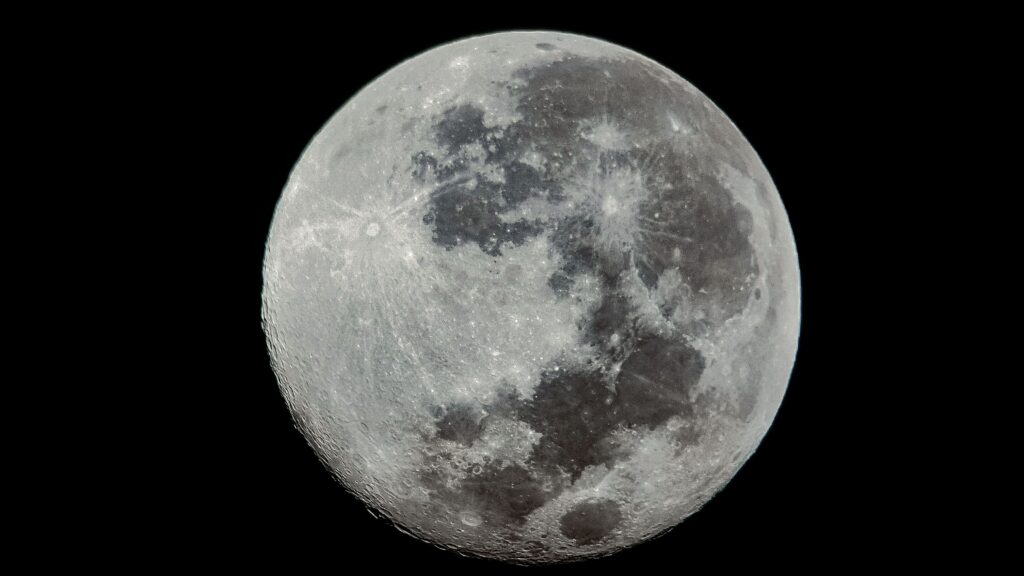
Short optical flashes on the Moon are tricky. Single-camera spikes can be cosmic rays hitting a detector rather than actual impact light. Brian Day from NASA’s Solar System Exploration Research Virtual Institute (SSERVI) stresses that coincidence — different observers at different locations seeing the same flash at the same time — is what gives researchers confidence. That’s where citizen scientists and coordinated observing campaigns become useful.
Practical steps for observers
- Sign up or follow coordinated efforts such as the Impact Flash! program to learn observation windows and reporting formats.
- Use time-stamped video or high-frame-rate cameras; short flashes can last a fraction of a second.
- Get observers at multiple geographic longitudes to guard against false positives from detector cosmic rays.
- Focus on the lunar limb near Einstein Crater and nearby western-limb regions; small errors in timing can shift whether ejecta is visible.
- Expect to wait and compare with LRO imaging after the event to confirm any surface changes.
What could make the event visible
We can sketch three basic outcomes. None of this is new; the experts we have access to lay out these same possibilities. The difference between them comes down to impact energy, local slope and material, and the exact limb geometry at the moment of impact.
| Outcome | Visibility from Earth | What helps us see it |
|---|---|---|
| Bright, short flash | Possible but unlikely; very short duration | High-frame-rate cameras, multiple observers, clear skies |
| Over-the-limb ejecta plume | Best chance for detection if plume is illuminated | Correct limb geometry, sunlight angle, coordinated timing |
| No detectable signal from Earth | Most likely according to some experts | LRO before/after imaging for confirmation of surface change |
Instruments and observers that matter
We don’t need to guess about who’s going to be useful. Ground-based telescopes and space-based assets can both contribute. Amateur astronomers with fast video capture can catch transient flashes. Professional observatories and cameras in space can look for faint signals or the ejecta plume. LRO can do the follow-up imaging to spot new craters or disturbed regolith in the impact area, which gives a definitive record even if the flash was missed.
What the timeline looks like for follow-up
- Now to early August: trackers refine the impact time and location as more astrometry comes in.
- About seven days before impact: LRO will have an overpass near the predicted site for baseline imagery.
- Aug. 5, 2026 (approx.): predicted impact window, with uncertainty measured in minutes and tens of kilometers.
- Roughly seven days after impact: LRO will target the area again for comparison imaging to confirm any surface changes.
So what should we do as a community?
We should treat this like any other short-duration astronomical event: get more eyes, more detectors, and better timestamps. If we coordinate our observations and pair them with the on-orbit imaging that LRO can provide, we increase the chance of turning a “maybe” into solid data.
We don’t know whether the Moon will give us a show. Some of the experts quoted above lean toward the impact being too subtle to spot, while others say a plume would be the real opportunity. Either way, this is a reminder that the lunar environment changes. If you’re the kind of person who points a camera at the sky and records everything, this is one of those moments when our community can genuinely contribute.
We’ll watch the tracking updates with you and share what the orbit folks publish. If you’ve got a good setup for fast imaging, consider lining up to observe the western limb on Aug. 5 and coordinate with the Impact Flash! program so your data can be useful to researchers. Let’s see what the Moon lets us see.