We need to talk about who pays when data centers plug into the grid
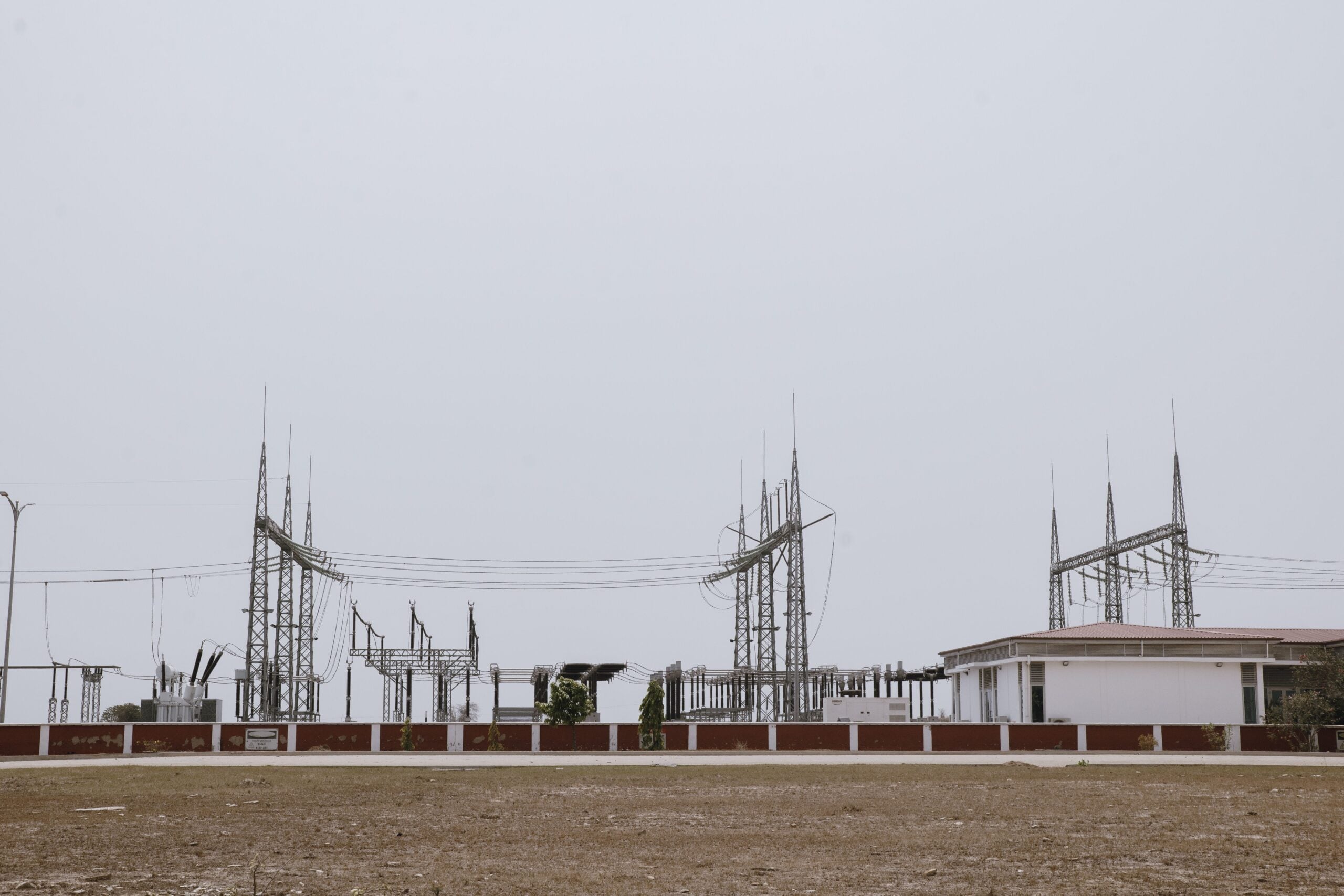
We have watched a lot of data center growth over the past few years, and one of the clearest tensions is financial: who actually covers the costs of bringing massive new loads online. Federal regulators issued an order on June 18, 2026 that pushes regional grid operators to speed up how they integrate “large energy users” such as AI data centers and to prevent those customers from underpaying in a way that forces other customers to pick up the tab.
What the order requires, in plain terms
The order directs grid regions under federal jurisdiction to accelerate coverage of large energy customers, while respecting existing, region-specific rules. It also zeroes in on so-called cost shifting: utilities and regulators must not let data center owners pay less than their fair share with the result that residential and other customers shoulder extra expense.
Two firm deadlines come straight from the order language. Grid operators and utilities have 60 days to explain why existing tariffs should remain. They have 30 days to show how they will provide sufficient energy to those large customers while still meeting the needs of everyone else. Those timelines start from the order’s submission on June 18, 2026.
Why regulators acted
We can map the basics: data centers grew quickly to feed AI workloads, and that triggered a large increase in electricity consumption. Major cloud providers publicly pledged to build or buy new power for their facilities, but construction of new generation has lagged. Reports show a significant share of the capacity expected to be ready by 2027 has not even started construction, which tightens supply and contributes to rising bills and, in some places, rolling outages.
The order is an attempt to make sure those large customers do not benefit from grid upgrades paid for by everyone else. It also pulls state regulators into enforcement roles, rather than leaving everything to federal filings alone.
What utilities and grid operators are worried about
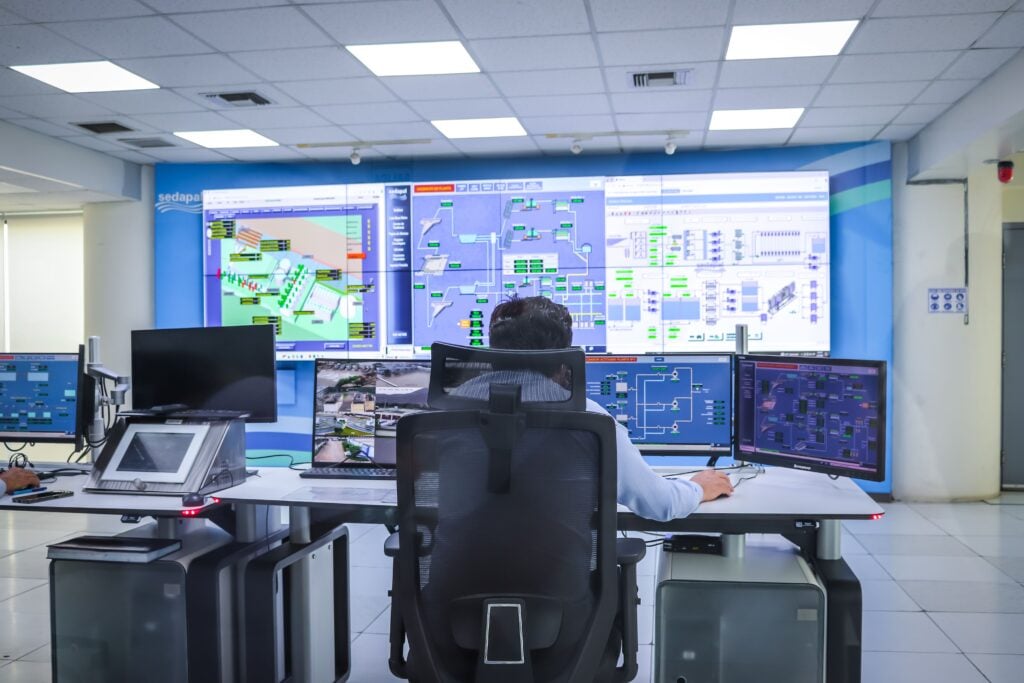
Operators already responsible for balancing local supply and demand have expressed concern about losing control of how they manage those processes. Some grid officials also worry the order could complicate broader plans for renewable integration. Solar, for example, recently produced more power than coal in some markets, and grid planners say they need predictable timelines for new generation and transmission to keep that momentum going.
There are also environmental and community impacts attached to data center builds. Noise and local water usage have been flagged as problems in some communities, and those fit into the larger debate about how to site and scale these facilities responsibly.
What to expect next – a short checklist
- Utilities and grid regions file explanations for keeping or changing tariffs within 60 days.
- Those same entities must show, within 30 days, how they will supply enough power to large customers without harming service for others.
- State regulators will likely be asked to enforce or clarify how cost recovery happens at the local level.
- If new generation is still delayed, pressure on prices and reliability will continue even after tariff changes.
Quick comparison: deadlines and roles
| Order element | Deadline from June 18, 2026 | Primary responsibility |
|---|---|---|
| Explain why existing tariffs should remain | 60 days | Regional grid operators / utilities |
| Show how to provide enough energy while serving others | 30 days | Regional grid operators / utilities |
| Enforcement and implementation | Ongoing | State regulators plus federal oversight |
Where this will hit most, and who pays
We should be honest: changing tariffs and billing rules does not immediately add new generation. If capacity that was supposed to start construction before 2027 remains on hold, upward pressure on prices can continue. The order tackles the fairness of who pays for grid upgrades, but it does not erase the shortfall in physical supply. That gap is why bills can keep rising even as regulators clamp down on cost shifting.
Large tech companies publicly promised new sources of power to match their growth. The order increases the pressure on them and on utilities to make those promises concrete. Expect more filings, more local proceedings, and likely some litigation as stakeholders test how the new federal direction fits with state rules and commercial contracts.
What to watch in the coming months
- Look for the tariff explanations and grid-planning filings within the 60- and 30-day windows. Those documents will show whether regions plan rate changes, new interconnection rules, or cost-allocation shifts.
- Watch state regulator dockets where utilities and community groups push back or seek clarifications. These will be the places where enforcement is most visible.
- Track progress on generation projects the big cloud companies pledged to build or buy. If those projects still lag, expect continued price stress.
How we think about it
We want reliable power, fair billing, and a clean transition to renewables. This order pushes on the fairness piece by trying to stop cost shifting, and that matters. At the same time, solving allocation without speeding up construction only treats symptoms. Grid rules and bills are one side of the coin; physical supply and transmission buildout are the other.
So this is a partial fix. It should force clearer cost responsibility, and it will focus attention on slower construction timelines. Whether it lowers bills for households depends on how quickly new capacity and transmission show up, and on how states and utilities follow through.
Bottom line
The federal push clarifies that large energy customers should not offload grid costs onto others. That is a reasonable policy stance. But we still need more generation and faster build schedules to remove the underlying pressure that has pushed electricity prices higher. In the near term, expect debate and filings rather than immediate relief.
What do we want to see next? Clear, public timelines tying data center approvals to actual progress on generation and transmission, and transparent rate cases that show who pays for what. If those things happen, then the order will be more than a headline—it will be a building block for a fairer grid. Let’s watch how the filings roll out and hold the players to the schedules they promise.