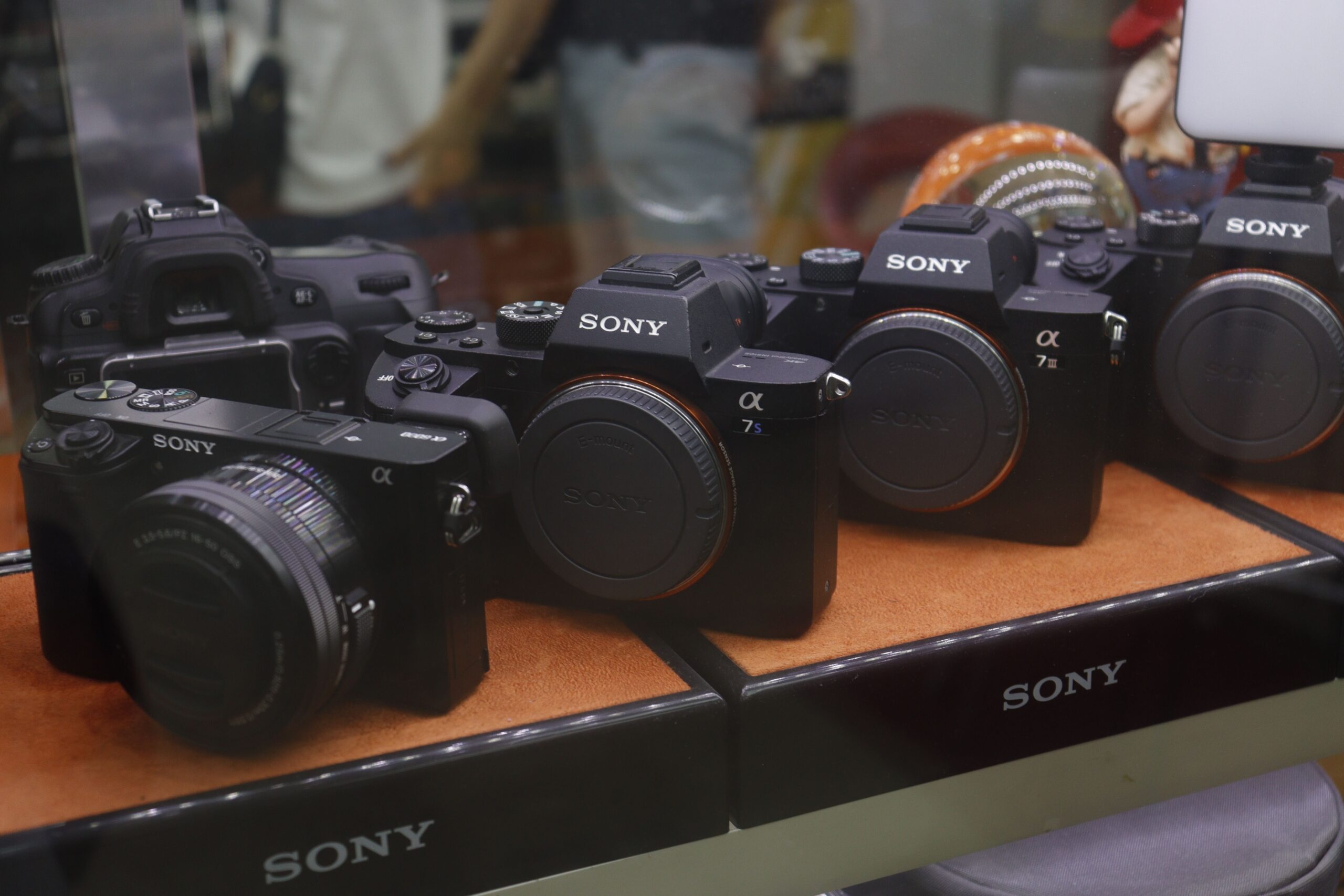
We’ve all had that airport moment. We’re killing time near the gate, we spot a laptop or camera behind bright duty-free signage, and suddenly the price feels like a rare travel-only opportunity.
Slow down before we hand over the card. Duty-free electronics can be convenient, but tax-free at the register does not automatically mean cheaper overall. For phones, laptops, cameras, and similar gear, a sale at home can often beat the airport price even after local sales tax.
The useful question is not whether a shop is duty-free. It is whether the final amount we pay, including any import obligations when we return home, is lower than the real-world alternatives.
What duty-free actually removes
Duty-free shopping is designed to avoid charging certain local taxes at the point of purchase when goods are being taken across a border. That is why international airport shops generally require a boarding pass and why purchases can be tied to a traveler’s destination.
The key detail is that the arrangement does not erase every tax, duty, or customs requirement. It mainly prevents us from paying the initial local taxes where we buy the item. Our home country can still require us to declare eligible purchases and pay applicable charges when we return.
Put another way, the shelf price may exclude taxes, but it is not a magic spell that makes an imported $1,000 device cost less than every domestic option. Duty-free operators still set their own base prices, and airport retail has its own costs. Those costs can show up in the sticker price long before customs enters the picture.
Why electronics are often a weak duty-free buy
Electronics are heavily promoted around major sale periods by conventional retailers. Discounts on laptops, smartphones, and cameras can be substantial, and a domestic purchase may include manufacturer promotions, retailer bundles, price matching, easier returns, or local warranty support. Duty-free inventory does not necessarily match those sale prices.
That is why we should treat an airport price as one offer, not a verdict. A duty-free store may beat the ordinary list price while still losing badly to a current promotion back home. The “tax-free” label is doing a lot of emotional work here, as labels at airports often do.
Laptops
A laptop is one of the clearest cases for checking first. Models vary by processor, memory, storage, display, keyboard layout, ports, and regional configuration. Comparing only the brand and screen size can make two very different machines look identical.
Before traveling, save the exact configuration and its best local price. Then compare the airport offer against that total, including sales tax, delivery charges, and any return-home customs cost. If we cannot confirm the full specifications, we should assume we are not yet comparing like for like. Shoppers using AI to sort through specification sheets should still verify the details themselves, though a free introductory AI course can help us understand where those tools are useful and where they can confidently get a product detail wrong.

HP 14 inch Laptop, HD Display, Intel N150, 4 GB RAM, 128 GB UFS, Intel Graphics, Windows 11 Home, Includes a 1-Year Microsoft 365 Personal Subscription. Jet Black, 14-dq6199nr
Smartphones
Phones add another layer: carrier compatibility, eSIM support, regional bands, warranty terms, and whether a device is unlocked. A lower duty-free price is not especially helpful if the phone does not work as expected with our carrier or cannot be serviced locally under warranty.
We should also compare the exact storage capacity. A discount on a lower-capacity model can look impressive beside a higher-capacity version sold at home, which is a classic apples-to-airport-orange comparison. Since a new phone also means moving account logins and recovery details, it is a sensible moment to check whether an email address has appeared in a known breach before we transfer everything.

Samsung Galaxy S26 Ultra, Unlocked Android Smartphone, 512GB, Black | Privacy Display, Galaxy AI, AI Camera, Super Fast Charging 3.0, Durable Battery, 2026, US 1 Year Warranty
Digital cameras
Camera shoppers should check the body, lens, kit bundle, battery, charger, and regional warranty. A duty-free camera body may look less expensive until we notice that the domestic deal includes a lens or accessories that would otherwise cost extra.
For a planned purchase, the best move is to record the full domestic bundle price before we leave. We do not want to make a rushed gate-area decision on gear that deserves a proper spec check.

KODAK PIXPRO FZ55 16MP Compact Digital Camera, 5X Optical Zoom, Black | 1080p Full HD Video, 28mm Wide Angle Lens, 2.7 Inch LCD, Point and Shoot, Vlogging Camera, Li-Ion Battery
The comparison checklist that keeps us honest
We do not need a spreadsheet worthy of a hardware benchmark lab, though nobody is judging us if we make one. A short note on our phone is enough if it captures the full cost of each option.
- Match the exact model. Check storage, memory, processor, included accessories, and regional variant.
- Find a real home-market price. Use current sale prices, not just a manufacturer’s suggested retail price.
- Add domestic costs. Include sales tax, delivery fees, and pickup travel costs if they materially affect the purchase.
- Check customs exposure. Consider what must be declared when returning home and what charges may apply.
- Review support terms. Confirm warranty coverage, returns, chargers, plugs, and network compatibility where relevant.
- Check before the trip. Some duty-free retailers publish prices online, which gives us time to compare without a boarding call in the background.
A portable media player offers the same lesson, even if it is now a less common purchase. Its price only matters after we confirm the specific model, available storage, included accessories, and domestic alternatives.
HDMI Media Player, Black Mini 1080p Full-HD Ultra HDMI AV Output MP4 Player | For H.265/H.264 MKV/RM//AVI Video, MP3 Music JPG Photos, etc- USB Drive/HDD/SD Card, Autoplay, Looping, Resume,Shuffle Play
Customs can change the final number
For eligible U.S. residents returning from abroad, the standard personal exemption is generally $800. Travelers must declare goods acquired abroad, including duty-free purchases, and amounts above the exemption can be subject to tax or duty. That means an expensive duty-free purchase may not stay duty-free in the way shoppers casually use the term.
The rules are country-specific, and travelers returning somewhere other than the United States should check their own customs requirements before buying. The United Kingdom, for example, has separate considerations for imported goods. We should not assume another country uses the same thresholds or treatment.
There is also a practical distinction between buying something abroad because it is genuinely unavailable at home and buying an item that is widely sold at home. A specialty gadget that cannot be purchased locally may be worth the extra work. A mainstream laptop, phone, or camera has to compete with a very aggressive local retail market.
Where duty-free tends to make more sense
Duty-free can be more compelling for goods with high tariffs or taxes, including alcohol, tobacco, and luxury items. Those categories are more directly shaped by the taxes that duty-free shops remove at the initial sale.
That does not mean every bottle, watch, or designer purchase is automatically a bargain. We still need to compare prices and understand the rules for bringing goods home. But the potential tax advantage is usually more meaningful there than it is for mass-market electronics that go on sale frequently.
Our verdict: compare first, buy second
Duty-free electronics are not automatically overpriced, and a specific store may occasionally offer a good price. But we should go in expecting to verify the deal, not expecting the sign to verify it for us.
For an item we already planned to buy, save the best price at home, check the exact duty-free model, and include any return-home costs before deciding. If the airport number still wins, great. If not, we have avoided paying extra for the privilege of shopping next to a departure board, which is a win for all of us.