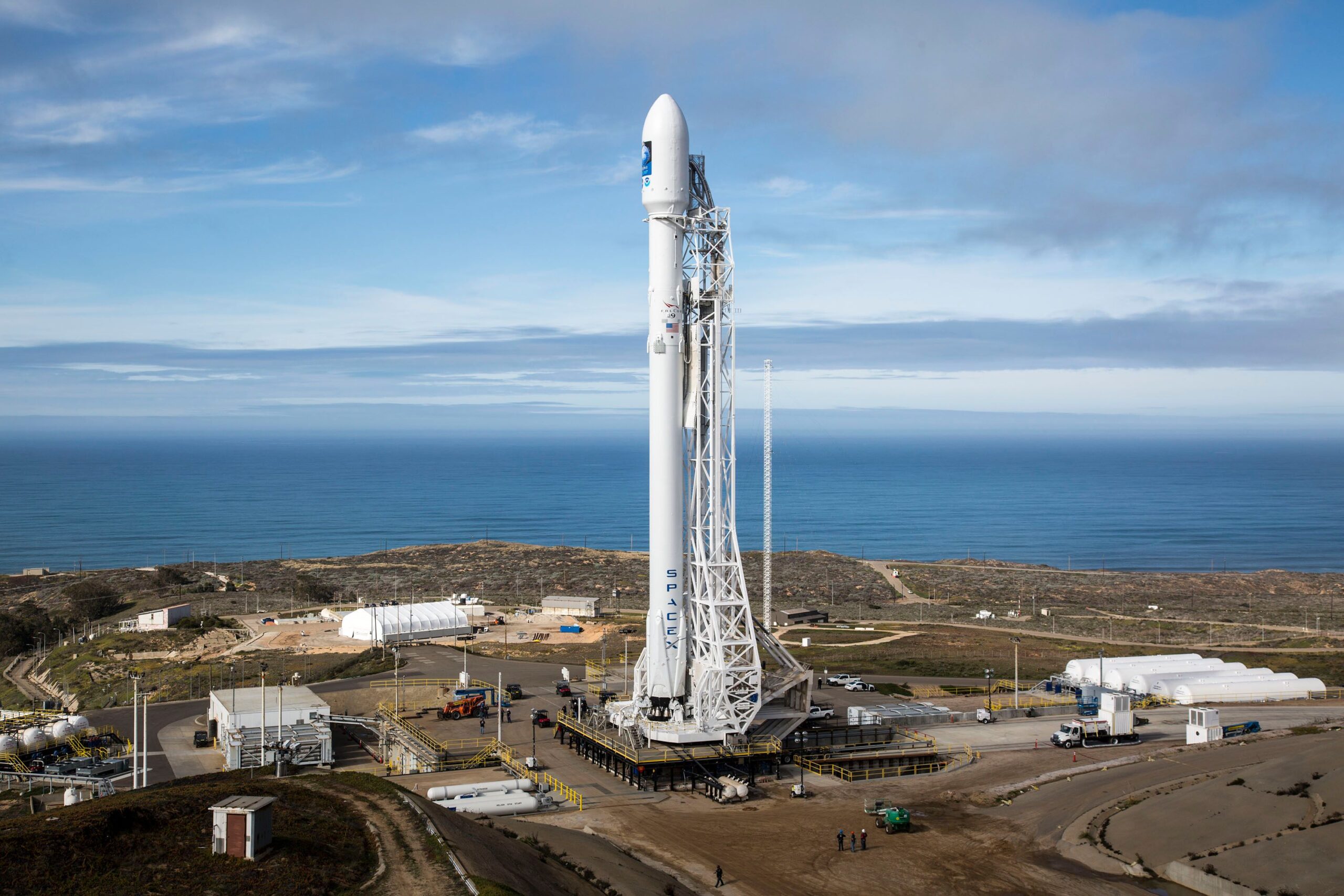
SpaceX got all the way to ignition on Monday morning before Falcon 9 stopped itself. All nine Merlin engines fired briefly at Vandenberg Space Force Base, then shut down before liftoff, leaving the Starlink 17-39 mission grounded and investors with a question that needs a careful answer.
There is no public SpaceX stock price to watch after this abort. SpaceX remains privately held, so the immediate financial effect is more likely to show up in launch schedules, customer confidence, private-market valuations, and the company’s operating costs than in a live ticker.
What happened during the Falcon 9 abort
The Starlink 17-39 mission was scheduled to lift off from Space Launch Complex 4 East at 7:49 a.m. Pacific time on July 20, 2026. The rocket’s nine Merlin engines ignited, but the countdown ended when the engines quickly shut down.
SpaceX ended its broadcast before providing a technical explanation. In a brief post on its official X account, the company said it was standing down from the Starlink launch and that the vehicle and payload remained safe.
That wording matters. The available information describes a controlled abort after ignition, not a launch failure, explosion, or loss of the spacecraft. We should not turn an unexplained shutdown into a diagnosis before SpaceX or the relevant launch authorities release more detail.
The mission was important, but not unique
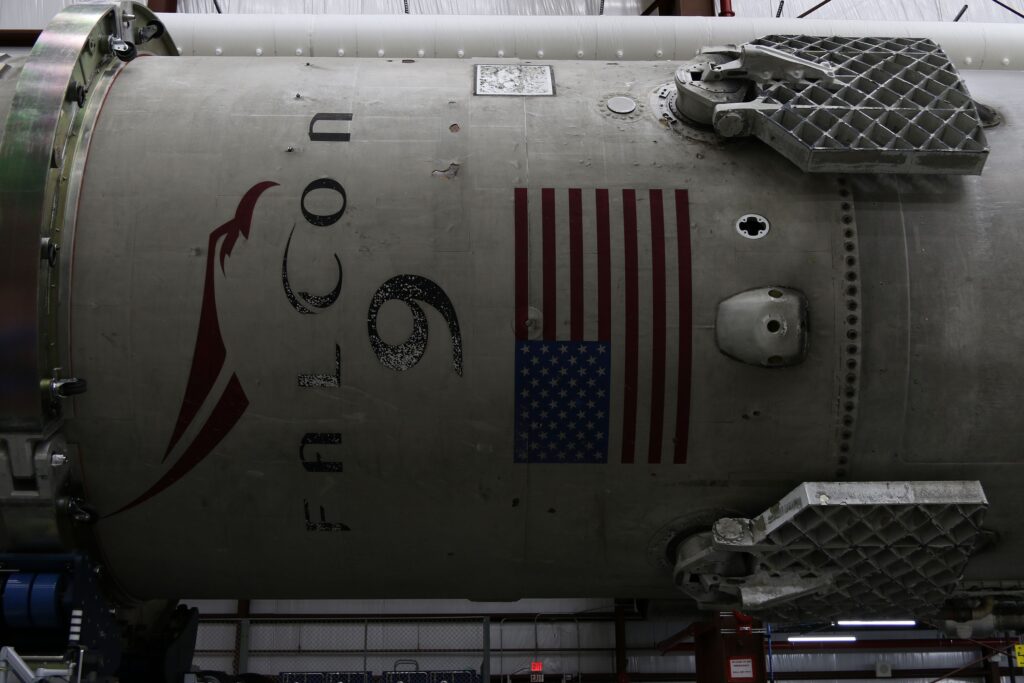
Starlink 17-39 was intended to place another 24 Starlink V2 Mini satellites into low Earth orbit. The mission was also expected to mark the 85th Falcon 9 launch of 2026 and the 667th Falcon 9 launch overall, continuing the same relentless cadence we saw in SpaceX’s June 24 Starlink launch from California.
The first stage assigned to the flight was booster B1082. It had been scheduled for its 23rd mission after supporting NROL-145, USSF-62, OneWeb Launch 20, and 19 earlier Starlink deliveries. That reuse history is a useful reminder of how SpaceX operates Falcon 9: the company is not treating every launch as a single-use hardware event.
It also explains why a last-second abort can be preferable to forcing the countdown forward. If onboard systems detect a condition that needs review, stopping before liftoff protects the payload, the launch site, and a booster with a substantial flight record. It costs time and money, but a bad launch decision would cost considerably more.
This was the second post-ignition abort in a week
The Falcon 9 shutdown came only days after a post-ignition abort involving SpaceX’s Starship-Super Heavy system at Starbase in South Texas. Elon Musk said at least two Raptor engines would need to be removed and replaced after that Flight 13 attempt.
We need to keep the two incidents separate. Starship uses methane-fueled Raptor engines, while Falcon 9 uses kerosene-fueled Merlin engines. They are different launch vehicles, different engine families, and different test environments. Two aborts close together are still a scheduling concern, but they do not establish one shared mechanical problem.
SpaceX was targeting Thursday, July 23, for another Starship Flight 13 attempt, although weather linked to a tropical disturbance in the Gulf of Mexico could affect that plan. The Falcon 9 mission was listed for another launch opportunity on Tuesday, with a window opening at 7 a.m. Pacific time. That matters beyond one mission because 2026 has already looked tight for operators hunting rides to orbit, something we have seen in the broader squeeze on smallsat launch capacity.
What this could mean for SpaceX’s valuation
Because SpaceX has no publicly traded shares, Monday’s abort cannot produce the kind of immediate percentage drop we would see after a listed aerospace company misses a launch. There is no SpaceX ticker, no standard closing price, and no public earnings call where management must quantify the impact.
That does not mean the event has no financial consequences. A delay can create several costs for SpaceX:
- Schedule disruption: The company must inspect the Falcon 9, review the launch data, and determine whether the next attempt can proceed on Tuesday.
- Potential hardware work: If investigators identify a component that needs replacement or additional testing, the delay could extend beyond the next listed opportunity.
- Customer and regulatory pressure: Commercial, government, and crew missions depend on launch availability. A single scrub is manageable, but repeated issues can complicate planning.
- Starlink deployment timing: The 24 satellites would have added capacity to SpaceX’s broadband constellation. A short delay is unlikely to change the business by itself, but a pattern of delays could slow deployment plans.
Those are operational effects, not a forecast of a specific valuation change. Private-company pricing is not updated tick by tick, and the source material does not provide a new funding round, secondary transaction, financial result, or valuation estimate tied to this abort. Anyone assigning a precise dollar impact today would be making up more certainty than the facts support.
Why one Falcon 9 abort should not erase the larger record
SpaceX has built Falcon 9 around frequent flights and reusable boosters, so its business model depends on finding problems before they become catastrophic. A shutdown after ignition is a visible failure of schedule, but it can also be evidence that the launch system’s safety checks did their job.
That argument has limits. We should not use the word “routine” as a way to wave away every problem. The last Falcon 9 abort after engine ignition occurred on June 14, 2024, during an attempted Starlink 10-2 launch. That mission eventually flew on June 23, using a different first-stage booster. The current event therefore deserves a technical explanation, especially because it follows the recent Starship abort.
The key information now is not whether SpaceX can keep a launch date intact. It is what the company finds in the vehicle and whether the next Falcon 9 attempt proceeds without another ignition shutdown. If you want a sense of how crowded the calendar already is, our look at the biggest U.S. rocket launches of 2026 gives a decent snapshot of how little slack there is once a provider starts slipping dates.