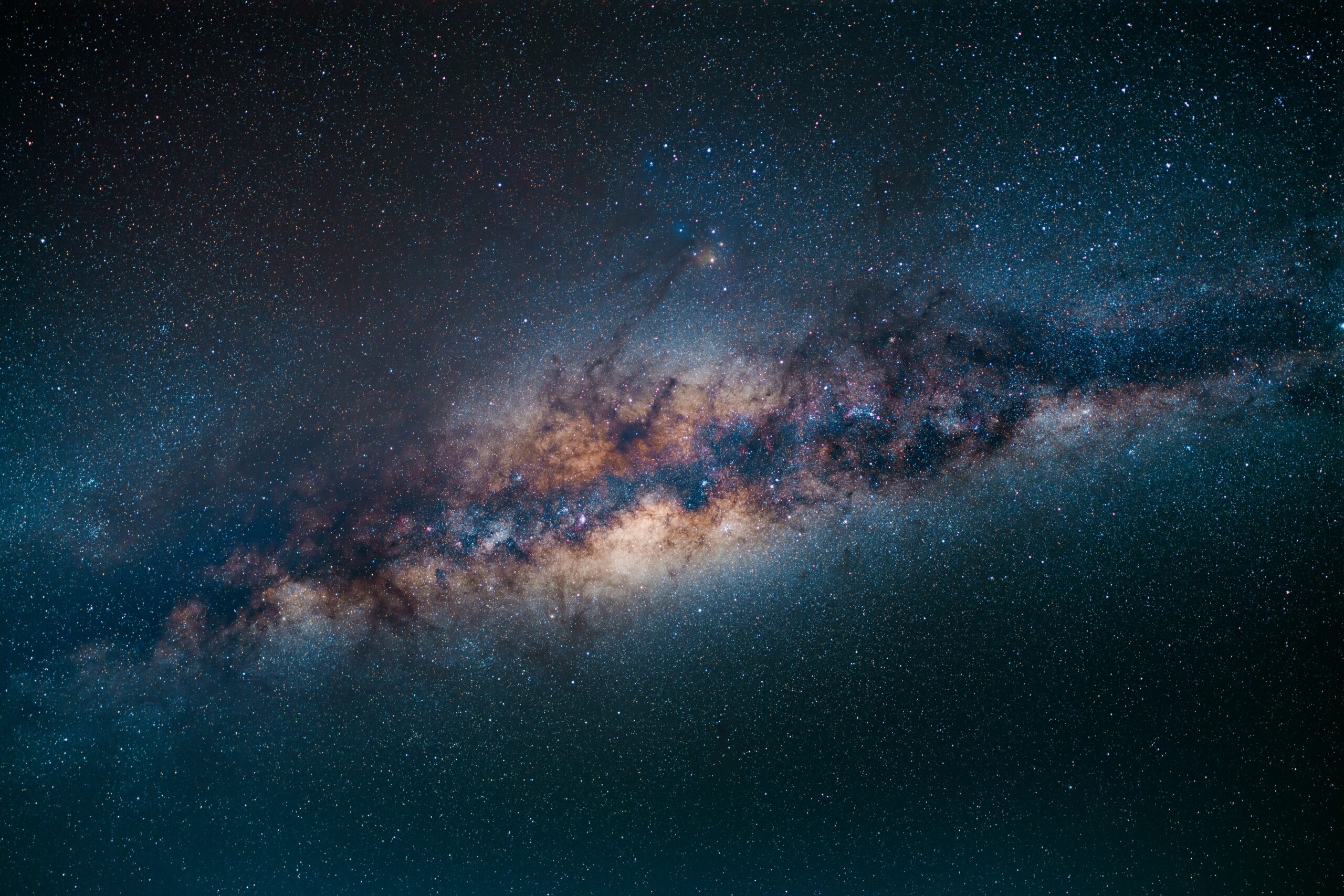
We may be about to get a temporary new star
Okay, let’s be honest with ourselves, this is the kind of sky event that makes even casual stargazers look up from their phones for a minute. T Coronae Borealis, better known as the Blaze Star, could erupt into a bright nova and briefly become visible to the naked eye. If it happens, we’re not talking about a permanent addition to the night sky. We’re talking about a short, dramatic flare-up from a distant binary system that has done this before.
The timing is the tricky part. Astronomers have been trying to pin down when this recurring nova will brighten, and the answer remains frustratingly loose. The current window includes a possible June 25, 2026 date cited in one paper, but other researchers have been skeptical because the evidence for the proposed third body in the system has not shown up in modern data.
What T Coronae Borealis actually is
T Coronae Borealis is a recurring nova, which means it is not a one-time explosion. It is a white dwarf star pulling material from a nearby red giant until conditions trigger a thermonuclear outburst. According to NASA, there are only five known recurring novas in the Milky Way, which gives us a sense of how unusual this system is.
The pattern here matters. The last major eruption reached Earth in 1946, and historical observations suggest the system brightens roughly once every 80 years on average. That does not make the next outburst easy to predict, though. The white dwarf’s feeding rate changes, the light curve can be messy, and the old records we have are limited.
How bright it could get
Right now, T Coronae Borealis is usually too dim to see without help, sitting around magnitude +10. That is far below naked-eye visibility. If it erupts, it could jump to around magnitude +2, which would put it in the range of easy unaided viewing from a dark enough location.
That kind of change is why people are paying attention. The star system could briefly shine at roughly the same level as Polaris, the North Star. In skywatching terms, that is a big deal, even if the bright phase does not last long.
| Stage | Approximate brightness | What it means for us |
|---|---|---|
| Normal state | Magnitude +10 | Too faint for naked-eye viewing |
| Nova outburst | Magnitude +2 | Potentially visible without optics |
| Visibility window | Under a week | Short-lived chance to watch it |
Where to look in the sky
T Coronae Borealis sits near Corona Borealis, the Northern Crown, between Bootes and Hercules after sunset in early summer. That gives us a decent starting point, but not a perfect one, because the Blaze Star is faint until it flares.
The practical advice is simple. Use the semicircle of stars in Corona Borealis as your guide, find Epsilon Coronae Borealis, and then sweep about one degree to the lower right. That is where T Coronae Borealis should be hiding. A small telescope or a pair of 10×50 binoculars will help before any outburst makes it obvious to the naked eye.
How long the show might last

If the eruption happens, the naked-eye phase is expected to last a little under a week. After that, the star should fade again, though binoculars may still let us follow the system for longer. So if you are hoping to catch it, the real move is to keep checking rather than waiting for a perfect announcement.
That is also why variable-star monitoring matters here. The American Association of Variable Star Observers tracks brightness changes and lets users plot a light curve from recent observations, which is about as useful as it gets when nature refuses to stick to a schedule.
What we should expect, and what we should not
We should expect uncertainty. That is the honest answer. Astronomers have strong reasons to believe T Coronae Borealis will erupt again, but they do not have a precise countdown timer. We have historical patterns, a few candidate prediction windows, and a lot of educated caution.
We should not expect a permanent second sun hanging over the sky. This is a brief event, not a new fixture. If the nova does appear, it will be one of those rare nights where the universe gives us a very short, very bright reminder that the sky is still full of surprises.
- Look for Corona Borealis after sunset in early summer.
- Use binoculars or a small telescope to locate the area before the flare.
- Check variable-star updates if you want the latest brightness trend.
- Do not expect the bright phase to last long.
If T Coronae Borealis does erupt this week, we may get a tiny piece of astronomical history playing out in real time. If it does not, we are still left with the same useful lesson: sometimes the most interesting thing in the night sky is the thing we cannot quite schedule, and that is part of the fun for all of us.