Claude Tag brings a shared AI identity into Slack channels
Anthropic has introduced Claude Tag, written as @Claude in Slack, as a research preview that gives a channel one shared AI assistant instead of a separate bot conversation for every person. That small change could matter a lot for teams that live inside Slack all day. Instead of re-explaining the same context to different people, the channel can keep one running assistant that everyone can see, use, and build on.
The idea is straightforward. Anyone in a Slack channel can summon @Claude, see what it is doing, and continue a conversation someone else started. In practice, that makes it more like a shared workbench than a private chatbot. For offices that juggle project updates, team notes, and internal questions in the same place, the appeal is obvious.
Anthropic says the assistant will learn the shape of a team’s work over time, which should reduce the need to keep repeating background details. It can also pull information from elsewhere in an organization if it has permission to do so. That means the bot is not just answering isolated prompts, but potentially acting as a channel-level helper for live work.
Why this matters for teams already using Slack
Slack has long been a place where software tools live alongside conversations, and AI helpers have been trying to fit into that flow for a while. The difference here is the shared identity. A team does not have to manage a separate back-and-forth with each employee. Instead, the whole channel can treat @Claude like a single assistant with memory across the discussion.
That could be useful for project channels, department workspaces, or any group that keeps coming back to the same issues. It also creates a more visible trail of what the assistant is doing, which should help with coordination. If one person asks a question and another follows up later, the channel does not have to start from zero.
Admin controls are the real story here

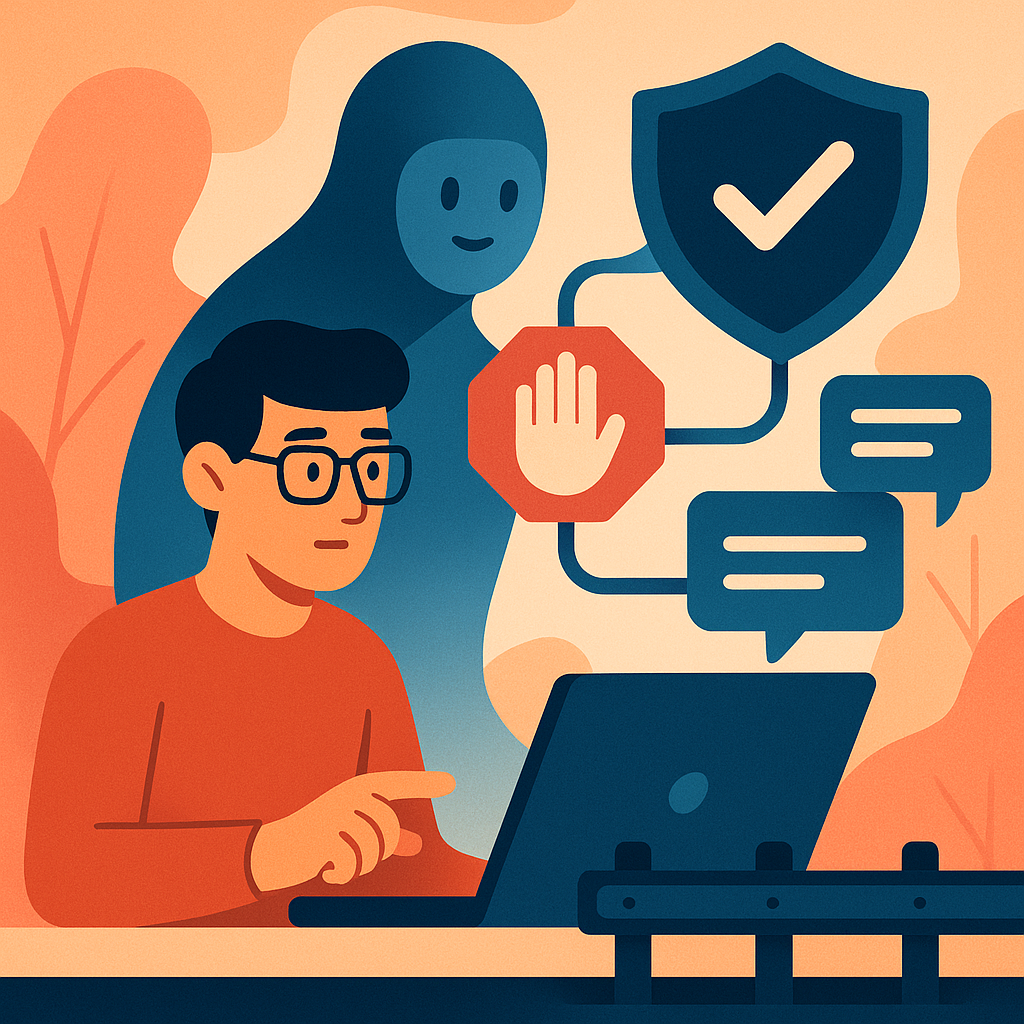
The obvious concern is access. A shared AI that can look across an organization raises questions about privacy, data boundaries, and accidental oversharing. Anthropic says those limits can be tightly controlled. A systems administrator will decide exactly which tools and information Claude Tag can reach in each channel.
That control matters because the company says different channel deployments will stay separate. A Claude set up for legal work should not carry memories into engineering, and engineers should not be able to reach legal tools or data through that assistant. In other words, the value of the feature depends on how carefully an organization scopes it.
For IT teams, that makes Claude Tag feel less like a toy and more like a managed workplace tool. The tradeoff is simple: better continuity for the channel, but only if admins are willing to spend time setting boundaries properly.
Research preview means limited access for now
Claude Tag is not rolling out to everyone at once. Anthropic says the feature starts as a research preview for Claude Enterprise and Claude Team customers on Slack. That keeps it in a controlled phase while the company tests how it behaves in real organizations.
That staged rollout is common for workplace AI, especially when access to company data is part of the pitch. It gives Anthropic room to refine the product while customers decide whether a shared AI identity is useful enough to become part of daily operations.
| Feature | What Claude Tag does | Why it matters |
|---|---|---|
| Shared identity | One @Claude instance for the whole channel | Keeps context in one place for everyone |
| Channel access | Anyone in the channel can summon it | Reduces duplicate prompts |
| Organization access | Can pull info from elsewhere if permitted | Helps with cross-team questions |
| Ambient behavior | Can proactively surface relevant updates | Turns it into a more active assistant |
| Admin scoping | Admins set tools and data access per channel | Limits the risk of oversharing |
The bigger trend: AI that works where teams already talk
Claude Tag fits a broader trend in workplace software. AI tools are moving away from being separate apps people have to open and closer to being embedded in the tools teams already use. That shift matters because adoption often fails when a bot feels detached from the actual flow of work.
Slack is a natural place for that experiment. It already serves as a hub for status updates, questions, task handoffs, and quick decisions. A shared assistant that can keep up with that pace may be more useful than a one-off chatbot hidden in another tab. The catch is trust. If the assistant is too broad, teams will hesitate. If it is too narrow, it becomes just another bot.
Anthropic’s pitch leans heavily on control and context. The assistant is always present in the channel, but its reach is supposed to be shaped by the organization. That balance will likely decide whether Claude Tag becomes a real daily tool or just another preview feature that gets mentioned once and forgotten.
What to watch next
- How much real work Claude Tag can handle in live Slack channels
- Whether teams trust its cross-organization access controls
- How well ambient updates work without feeling noisy
- Whether Anthropic expands access beyond Enterprise and Team customers
For now, Claude Tag looks like an early look at a different kind of workplace assistant, one built for shared use rather than private prompting. If Anthropic gets the permissions and context model right, @Claude could feel a lot more useful than a standard chatbot bolted onto Slack.