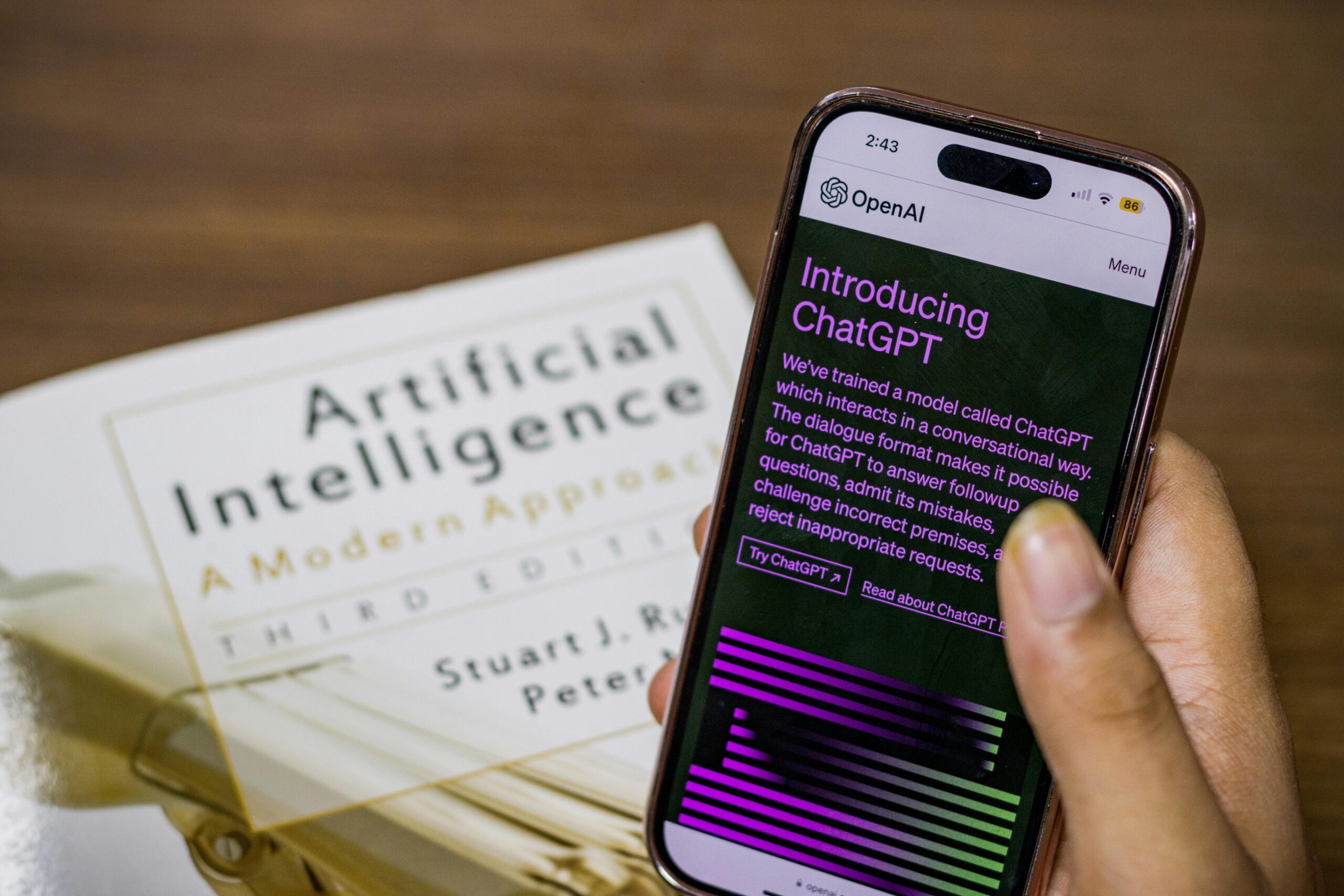
OpenAI has released a new enterprise-focused business guide outlining how organizations are moving beyond early AI experimentation and into large-scale deployment, according to a resource published May 11, 2026.
The guide draws on interviews with executives at companies including Philips, BBVA, Mirakl, Scout24, JetBrains, and Scania. It highlights a consistent message from enterprise leaders that scaling AI is not simply about deploying tools faster. It is about building the organizational conditions that allow AI to be trusted, adopted, and continuously improved.
Rather than treating AI as a standalone capability, leading organizations are increasingly embedding it as an operational layer across workflows. This shift is supported by governance structures, workflow redesign, and a strong emphasis on quality under real-world production conditions.
The shift from experimentation to enterprise-scale AI
According to OpenAI, the companies moving ahead are not necessarily those adopting AI the fastest. They are the ones doing so more deliberately. Their approach focuses on integrating AI into core business processes while maintaining oversight, accountability, and measurable performance standards.
This reflects a broader transition in enterprise AI maturity. Organizations are moving from isolated pilot projects to systems embedded directly into daily decision-making and operational workflows.
Five patterns emerging from enterprise leaders
Across the interviews, OpenAI identifies five recurring patterns shaping successful AI scaling strategies.
1. Culture before tooling
The most effective organizations prioritize AI literacy and psychological safety over immediate technical deployment. Employees are encouraged to experiment, learn, and build confidence with AI systems before full-scale rollout.
2. Governance as an enabler, not a barrier
When legal, compliance, security, and IT teams are involved early as design partners, adoption tends to accelerate later. Rather than slowing progress, governance becomes a foundation for trust and smoother scaling.
3. Ownership over consumption
AI delivers the most value when teams are empowered to redesign workflows themselves rather than simply using pre-built AI features. This shifts AI from a tool into a capability embedded in how work is structured.
4. Quality before scale
Leading organizations define quality benchmarks early and invest in evaluation frameworks before expanding deployment. In some cases, launches are delayed until systems meet internal standards for reliability and accuracy.
5. Protecting judgment work
Rather than replacing expertise, the most successful implementations augment it. AI is used to support reasoning, analysis, and review processes, enhancing human judgment instead of bypassing it.
What this means for enterprise leaders
The guide signals a clear direction of travel for enterprise AI adoption. Organizations are moving beyond productivity-focused use cases toward fully integrated systems that reshape end-to-end workflows.
In this model, human oversight remains central, but AI becomes deeply embedded in operational layers. This changes how decisions are made, how work is structured, and how value is delivered across teams.
OpenAI emphasizes that sustained impact depends on three core foundations: trust in systems, ownership by teams, and consistent quality standards built in from the beginning rather than added after deployment.
What is included in the full guide
The report, titled Frontiers of AI Executive Guide, includes:
- A one-page leadership diagnostic covering accountability, trust, workflow alignment, and quality
- Detailed case studies and operational metrics from European enterprises
- A practical checklist designed to help leadership teams assess readiness for scaling AI responsibly