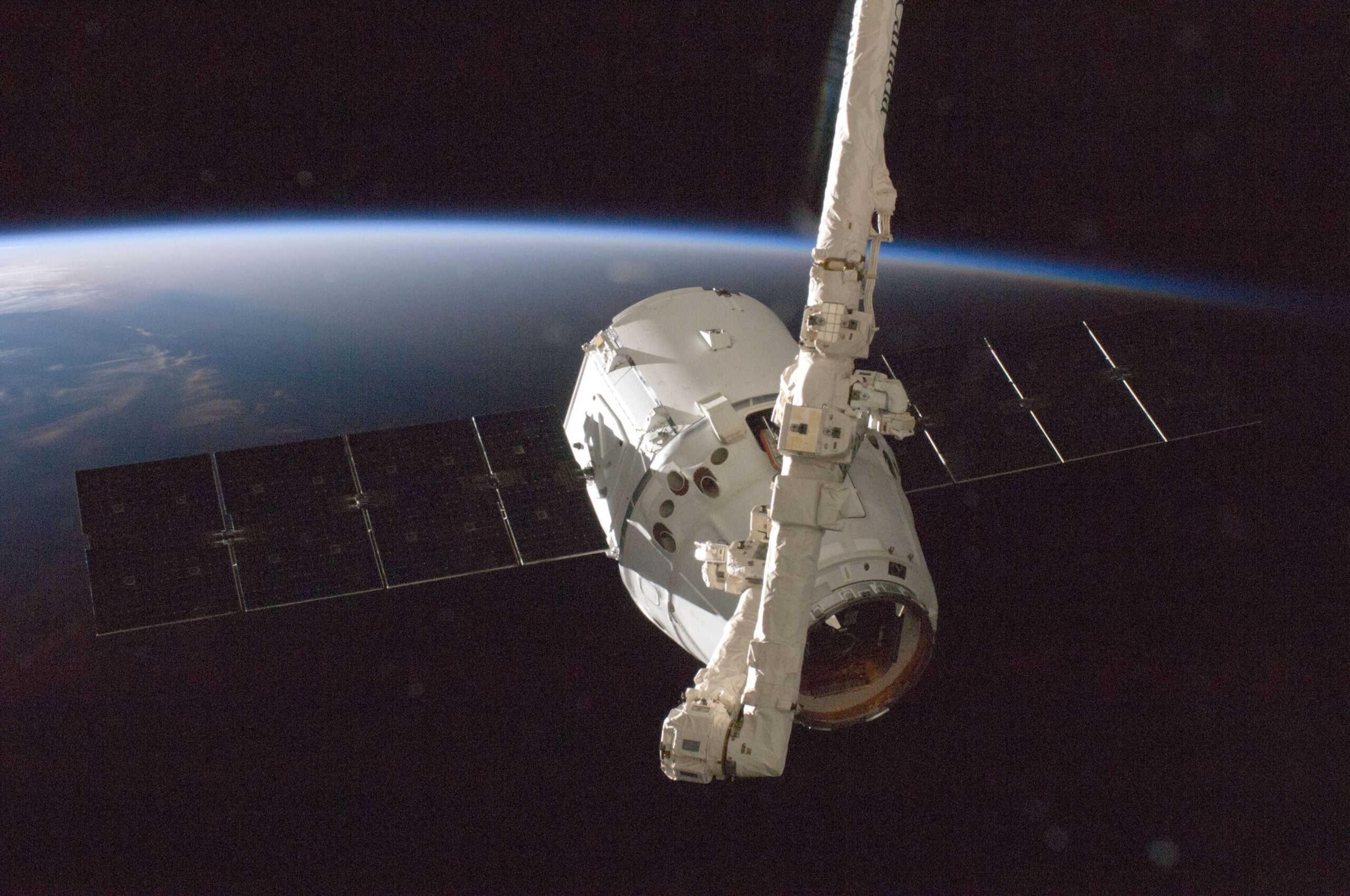
Artemis II captures the Moon at a dramatic angle
A fresh image from the Artemis II crew gives the Moon a much rougher, more physical look than the polished full-disc shots people usually see. Taken on flight day 6, the photo catches the lunar surface half lit, with the line between day and night carving across craters and ridges in a way that makes the terrain pop.
That boundary is the terminator, and it is one of the best angles in lunar photography for a reason. Shadows stretch out instead of disappearing, which means the Moon stops looking like a flat white circle and starts reading like a real landscape. The difference is dramatic, even in a still image.
The shot also places the Moon’s near side, the face always turned toward Earth, in the darker gray region near the top of the frame. For a mission like Artemis II, that kind of image does two jobs at once. It gives the public a striking look at the journey, and it reminds everyone how much of lunar science is about light, angle, and perspective.
Why the terminator matters in lunar images
The Moon changes character depending on where sunlight lands. When the terminator slices across the surface, it brings out features that vanish in flatter lighting. Craters, ridgelines, and subtle changes in elevation all become easier to read, which is why these shots stand out so quickly in mission coverage and space photography.
That same contrast is also what makes the image useful beyond pure aesthetics. A strong terminator view gives viewers a better feel for the Moon’s battered, uneven surface, and it helps explain why lunar terrain is so important to navigation, landing sites, and future exploration planning.
If you want a quick visual comparison of how much lighting changes the Moon, it helps to think of it like this:
| Image feature | What it shows | Why it matters |
|---|---|---|
| Half-illuminated Moon | Sunlight hitting only part of the lunar surface | Makes the Moon’s shape and depth easier to read |
| Terminator | The boundary between light and darkness | Brings out craters, ridges, and uneven terrain |
| Near side in shadow | The Earth-facing side of the Moon | Gives the photo a familiar reference point for viewers |
Artemis II and the value of mission imagery
Artemis II is NASA’s first crewed lunar flight in the Artemis program, and that alone makes every image carry a little extra weight. This is the kind of mission where the visuals matter just as much as the milestones, because the public only gets to experience the journey through updates, photos, and video. A frame like this helps turn a long technical mission into something people can actually follow.
There’s also a reason these images spread so well online. They sit at the intersection of science and spectacle, which gives them a wider pull than the usual status update. The crew is not just crossing space, they’re giving people a new way to see the Moon, and that keeps the mission feeling immediate between the bigger headlines.
For readers tracking the broader Artemis effort, that matters. The program is about much more than one flight, with future lunar missions and hardware development still tied to each visible success along the way. A clean image from orbit can do a lot of quiet work in building momentum.
What stands out in this photo
- The Moon is shown half lit rather than fully illuminated.
- The terminator creates strong contrast across the frame.
- The surface detail looks rough and uneven.
- The near side of the Moon appears in the darker upper portion of the image.
- The shot comes from Artemis II on flight day 6.
It’s the sort of image that rewards a second look. The lighting tells you where the Sun sits relative to the Moon, and the shadows make it obvious why the lunar surface never looks smooth once you start studying it closely.
For anyone following Artemis II, this photo keeps the mission feeling tangible between the bigger updates. It’s a simple frame, but it carries plenty of weight.