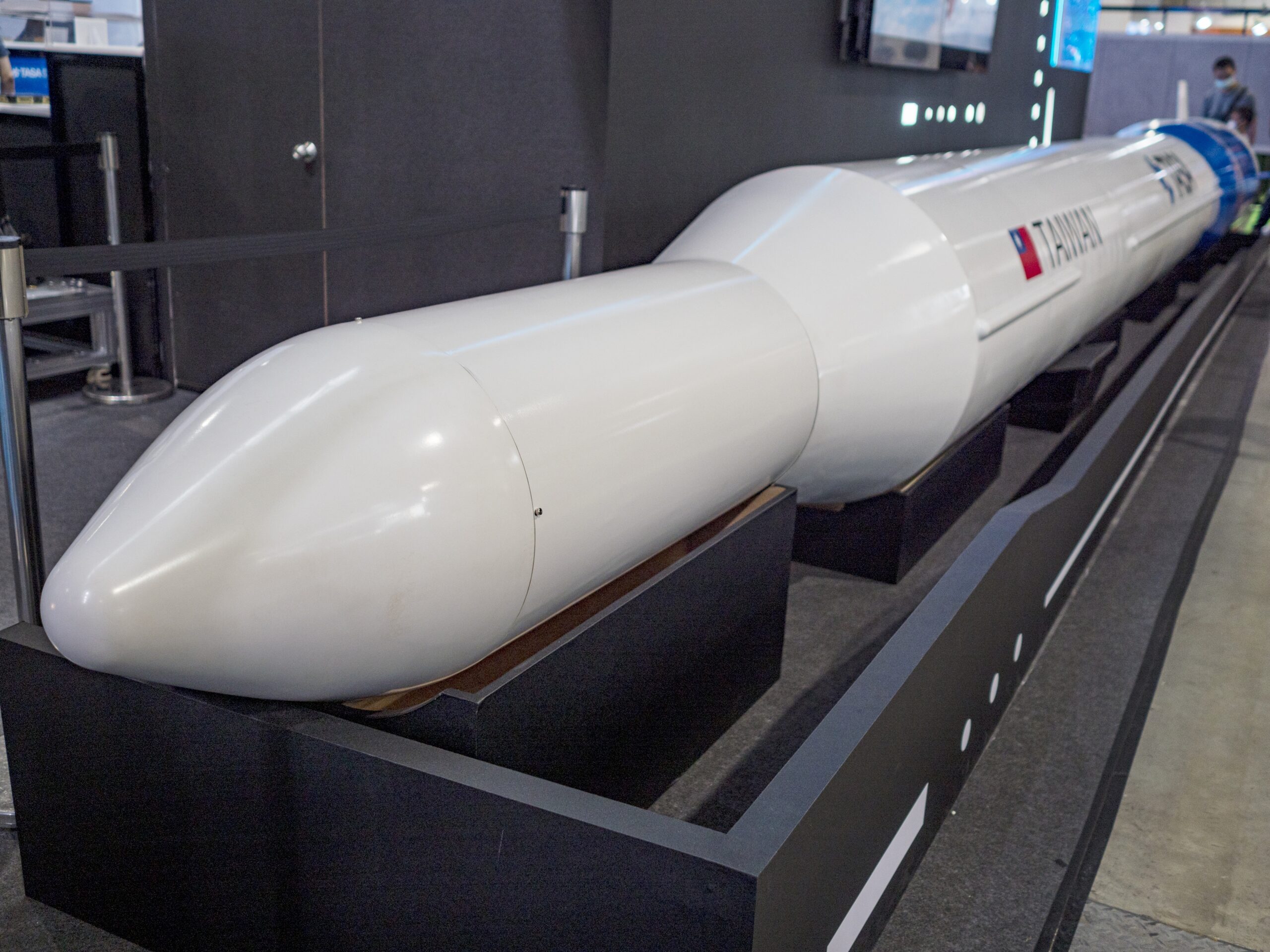
Missile Production Faces Rocket Motor Bottleneck
U.S. production of solid rocket motors is increasing, but not quickly enough to fulfill the Pentagon’s missile defense demands, according to a recent report from the Center for Strategic and International Studies (CSIS).
Despite planned increases in interceptor production for the Defense Department’s 2027 budget, solid rocket motors remain a critical bottleneck within the U.S. missile industrial base. The 2027 budget includes over $73 billion for missile programs, a notable jump from $29 billion in 2024. The Pentagon anticipates delivering more than 2,100 air and missile defense interceptors in 2027, a 70% increase from the nearly 1,300 delivered in 2021.
However, CSIS notes that this still falls short of the Pentagon’s production goals, which aim for around 5,000 interceptors annually across Army, Navy, and Air Force programs. Achieving these ambitious targets presents various challenges that the report outlines, especially in light of recent operations that may require replenishing used interceptors.
The heart of the issue is solid rocket motors, essential for nearly all U.S. missile systems. Problems in production—or in related components like propellant and nozzles—can impact multiple weapon systems simultaneously. This bottleneck is partly rooted in years of industry consolidation, which saw the domestic solid rocket motor supply reduce from six suppliers in 2000 to just two: Aerojet Rocketdyne and Orbital ATK.
Recent entrants in the market, such as X-Bow, Ursa Major, and others, have not yet demonstrated significant capacity for mass production. The report further highlights a shift in the space industry from solid to liquid propulsion, which has decreased demand stability for solid motor manufacturers.
CSIS argues that addressing these challenges requires more than just emergency funding. Recommendations include providing stable demand signals, implementing multiyear buying strategies, investing directly in suppliers, and broadening acceptance of new suppliers. While the Pentagon’s investment of $1 billion in L3Harris is helpful, the report emphasizes that it is not a substitute for effective supply chain management.
Ultimately, the CSIS report underscores the complexity of restoring the U.S. missile industrial base’s capability and meeting defense requirements in the years ahead.