
Kiro CLI is getting a much-needed memory upgrade
Anyone who has used an AI coding assistant across multiple sessions knows the frustration: the tool remembers the current chat, then acts like yesterday never happened. AWS is now showing a way around that limitation for Kiro CLI by connecting it to Amazon Bedrock AgentCore Memory through a custom Model Context Protocol, or MCP, server.
The idea is straightforward but useful. Instead of forcing developers to re-explain the same project rules, preferences, and background every time they reopen the terminal, Kiro CLI can pull in stored context from previous conversations. For people working in large codebases, or teams that keep revisiting the same requirements, that kind of persistence can save a lot of repetitive setup.
How the setup works
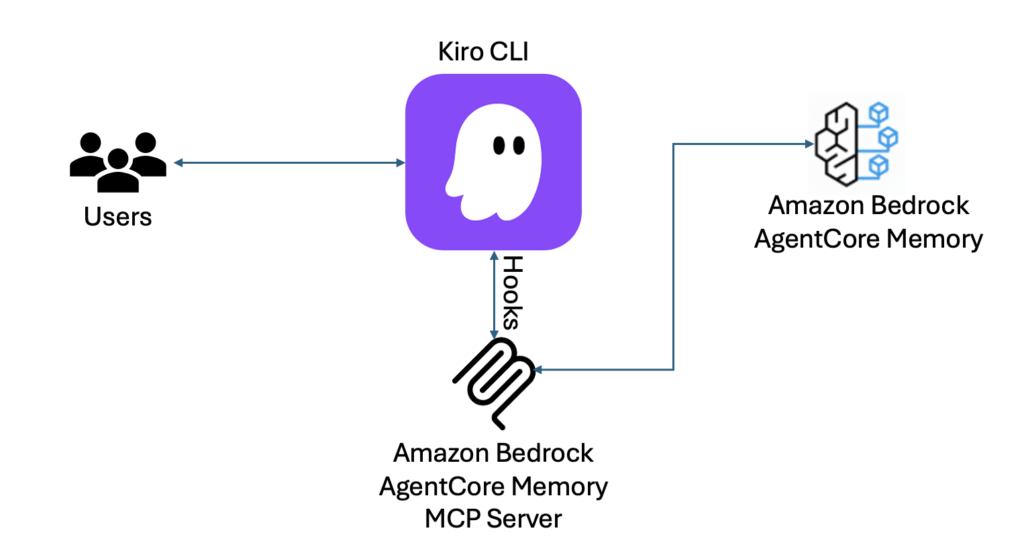
The solution AWS describes has three parts. At the center is Amazon Bedrock AgentCore Memory, which acts as the storage layer for conversation context and supports semantic search. In plain terms, that means the system is designed to find relevant memories even when the wording does not match exactly.
In front of that sits a custom MCP server. Its job is to expose memory-related functions in a way that MCP-compatible clients can use. Kiro CLI then connects to that server over STDIO, which lets it save and retrieve details from the terminal session.
AWS says the MCP server organizes its tools into three groups:
- Conversation tools for storing, listing, retrieving, and searching sessions
- Monitoring tools for checking memory usage and server configuration
- Management tools for deleting sessions or clearing stored data
Why the retrieval method matters
One of the more practical details in the post is the retrieval strategy. AWS says the system first tries semantic search through the retrieve_memory_records API. If that does not surface the right answer, it falls back to a more direct scan of stored event-level conversation content.
That two-step approach is meant to handle a common problem with AI memory systems: sometimes the semantic layer has not fully processed a conversation yet, but the raw session data still exists. By checking both, the tool has a better chance of finding what the user asked about.
AWS also notes that users can search using natural time references such as “recent,” “last night,” or “yesterday,” which makes the memory system a little easier to work with in real conversations.
What developers need to set it up
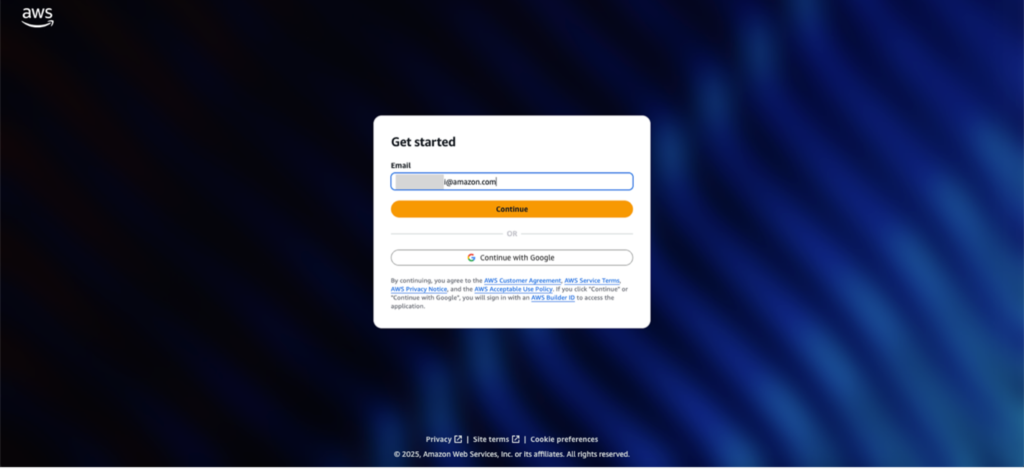
The walkthrough in the post is aimed at users who already have access to AWS services and Kiro CLI. AWS lists a few prerequisites, including an AWS account, AWS CLI access, an IAM user with the right permissions, an AWS Builder ID, and Kiro CLI installed and configured locally.
From there, the process involves cloning a sample repository, creating a Python virtual environment, installing dependencies, and running a setup script that creates the Amazon Bedrock AgentCore Memory resource and generates the Kiro agent configuration.
AWS also gives users a choice for how memory should be organized:
- User ID, which is the default and recommended for personal use
- Project ID, which is aimed at team or project-based isolation
The post says the memory namespace is structured around the actor and session identifiers, which helps keep conversations separated by person or project.
Making the agent the default in Kiro
After the memory setup, AWS recommends copying the agent configuration and hook files into the Kiro directories under ~/.kiro/, then setting the memory-enabled agent as the default in the CLI settings file.
That part matters because it makes memory persistent in day-to-day use instead of requiring users to manually select the agent each time they start a session. For a developer testing workflows in the terminal, fewer setup steps usually means less friction.
What Kiro CLI can do after the hookup
Once connected, Kiro CLI can use the MCP server to surface tools such as:
- Searching conversation history by topic or timeframe
- Retrieving complete session content
- Listing stored sessions
- Checking memory statistics
- Deleting sessions or clearing stored data
AWS also says hooks can store the conversation after every exchange, which is what gives the system the ability to recall earlier discussions later on.
Why this matters for AI coding tools
The bigger story here is not just about one terminal app. It is about the direction AI developer tools are heading. Short-lived chat sessions are fine for quick questions, but they are a poor fit for multi-day software work where requirements, architecture decisions, and debugging history all matter.
Persistent memory could make coding assistants feel less like disposable chat windows and more like long-running collaborators. That is especially relevant for teams working on complex applications, where context loss often leads to repeated explanations and missed continuity.
At the same time, memory tools raise practical questions about control, data retention, and cleanup. AWS addresses the last part by including a cleanup script and instructions for removing the generated agent and hook files when the demo is no longer needed.
Bottom line
Amazon’s latest Kiro CLI example shows how MCP and Bedrock AgentCore Memory can be combined to give an AI coding assistant a much longer sense of continuity. The result is a terminal workflow that can remember past discussions, search them in different ways, and carry context across sessions instead of wiping the slate clean every time.
For developers already experimenting with Kiro CLI, that is a useful upgrade. For the wider AI tooling market, it is another sign that memory and context persistence are becoming core features rather than optional extras.
Source: AWS, in a post titled Extending conversational memory in Kiro CLI using Amazon Bedrock AgentCore Memory, published May 19, 2026.
Source: AWS blog, “Extending conversational memory in Kiro CLI using Amazon Bedrock AgentCore Memory” (aws.amazon.com), published May 19, 2026.
Original source: https://aws.amazon.com/blogs/machine-learning/extending-conversational-memory-in-kiro-cli-using-amazon-bedrock-agentcore-memory/